How Long Do You Need in Lanzarote?
Honestly, five days covers the main stuff — Timanfaya, the caves in the north, a few of Manrique’s sites, and the beaches down at Papagayo. Seven gives you space to breathe, and you’ll probably want it. You’ll need a hire car for most of this. Almost everyone bases themselves in Puerto del Carmen or Playa Blanca; either works fine for this itinerary.
Day 1 — Arrive, Get the Car, Drive Somewhere
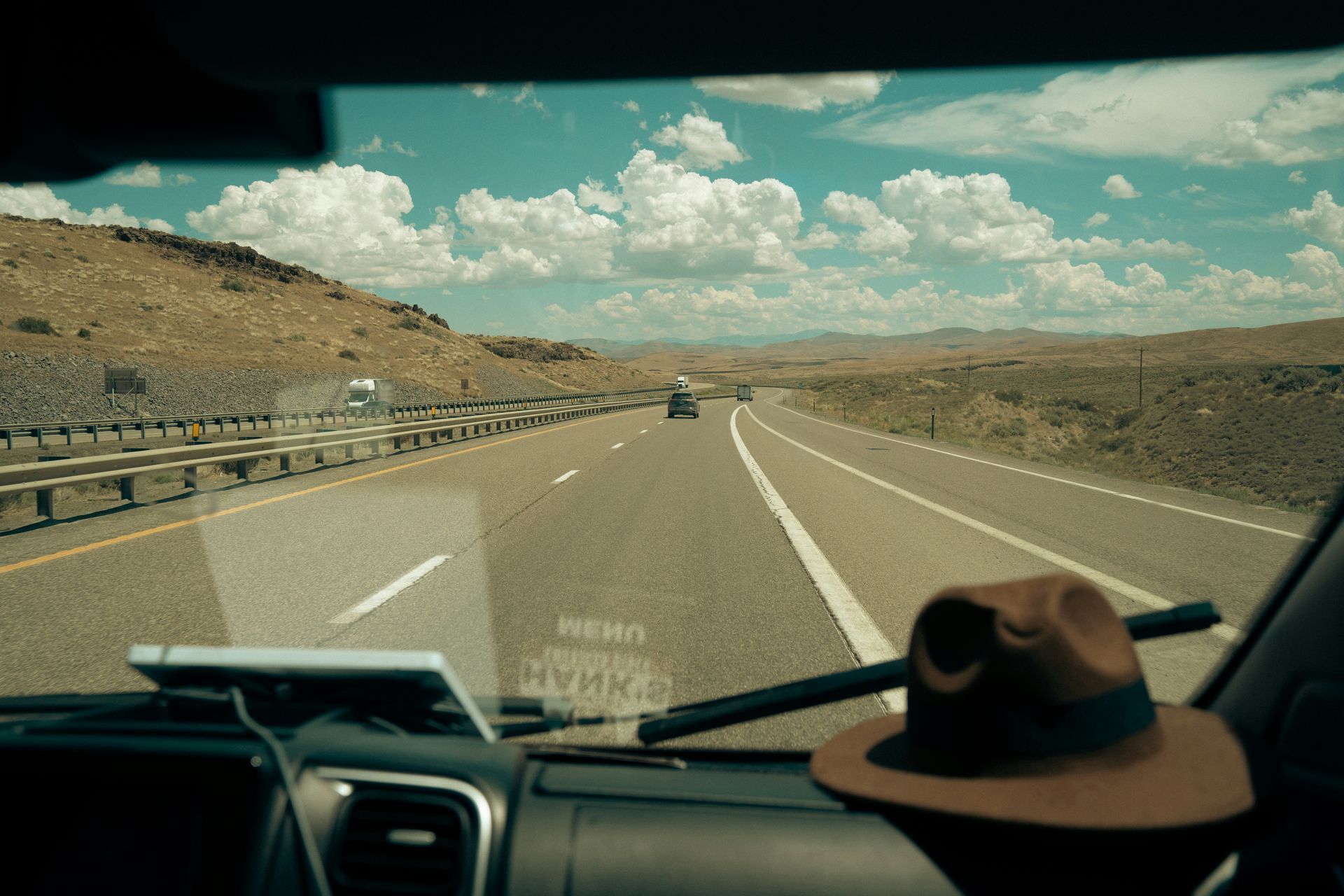
Don’t sit by the pool on your first afternoon. Pick up the hire car, drive south from the airport, and just see where you end up. The island’s small and the roads are quiet. If the sun’s still up, stop at El Golfo — it’s a green lagoon sitting at the base of a collapsed volcanic crater. There’s a viewpoint above it and a handful of restaurants along the seafront below. Get a drink, look at the view, and start adjusting to the pace of things.
Tip: Most addresses on the island are vague. Download offline maps before you fly. Google Maps mostly works but occasionally sends you down dirt tracks, especially near Timanfaya.
Day 2 — Timanfaya in the Morning, Wine in the Afternoon
Get to Timanfaya early. The official bus tour through the Montañas del Fuego is the only way into the core of the park, and coach groups start arriving by mid-morning. Aim for the first run if you can. The tour takes around 40 minutes and covers a landscape that looks like it was dropped here from another planet — because in a way it was. An eruption in the 18th century ran for six years and buried whole villages. At one point a guide holds dry scrub over a crack in the rock. It ignites almost immediately.
After lunch, drive northeast to La Geria. This is Lanzarote’s wine region, and it looks nothing like any vineyard you’ve seen before. Individual vines sit at the bottom of small craters dug into black volcanic soil, each one sheltered from the wind by a low curved wall. The main bodega worth stopping at is La Geria itself; El Grifo is a few minutes away and slightly older. No need to book in advance — just turn up.
Day 3 — The North: Two Caves and One Extraordinary View
Budget a full day for the north. Jameos del Agua comes first — a section of a massive lava tunnel that opens into the sea, which Manrique turned into something genuinely otherworldly. Inside there’s a subterranean lake, and if you crouch down and look at the waterline you’ll see tiny white crabs. Blind albino ones, found nowhere else on earth. It takes a moment for your eyes to adjust to the dark, but then you see them everywhere.
Cueva de los Verdes is the next tunnel along and worth doing back to back. Less theatrical than Jameos but strange in a different way — you’re walking through the inside of a lava flow that’s millions of years old. There’s a well-known trick at the end of the tour. Don’t look it up.
Mirador del Río is the last stop, right at the northern tip. Manrique built it into the cliffside. The view across to La Graciosa is the kind of thing you take twenty photos of and none of them quite do it justice. Have dinner at El Risco in Famara on the way back — cliff-top restaurant, excellent fresh fish, terrace that feels like it shouldn’t exist.
Tip: Jameos del Agua and Cueva de los Verdes are run by the island’s Cabildo. Tickets at centrosturisticos.com or on the door. Weekdays are noticeably quieter.
Day 4 — A Day with Manrique
César Manrique was born in Lanzarote in 1919 and spent much of his life fighting to keep the island from looking like everywhere else. No high-rises, no neon signs, no tourist-trap architecture. He mostly won. His former home in Tahíche is now the César Manrique Foundation — five lava bubbles connected underground, filled with art and furniture and plants. It’s oddly moving, if you’re in the right mood for it.
The Cactus Garden in Guatiza gets fewer visitors and deserves more. It’s an old quarry he redesigned to hold over a thousand cactus species, with a restored windmill at the top and good views across the countryside. Spend an hour there, then drive slowly through Haría on the way back. Small village, famous for palm trees, very little going on. There’s a Saturday morning market if your timing works out.
Day 5 — Papagayo and Nothing Much Else
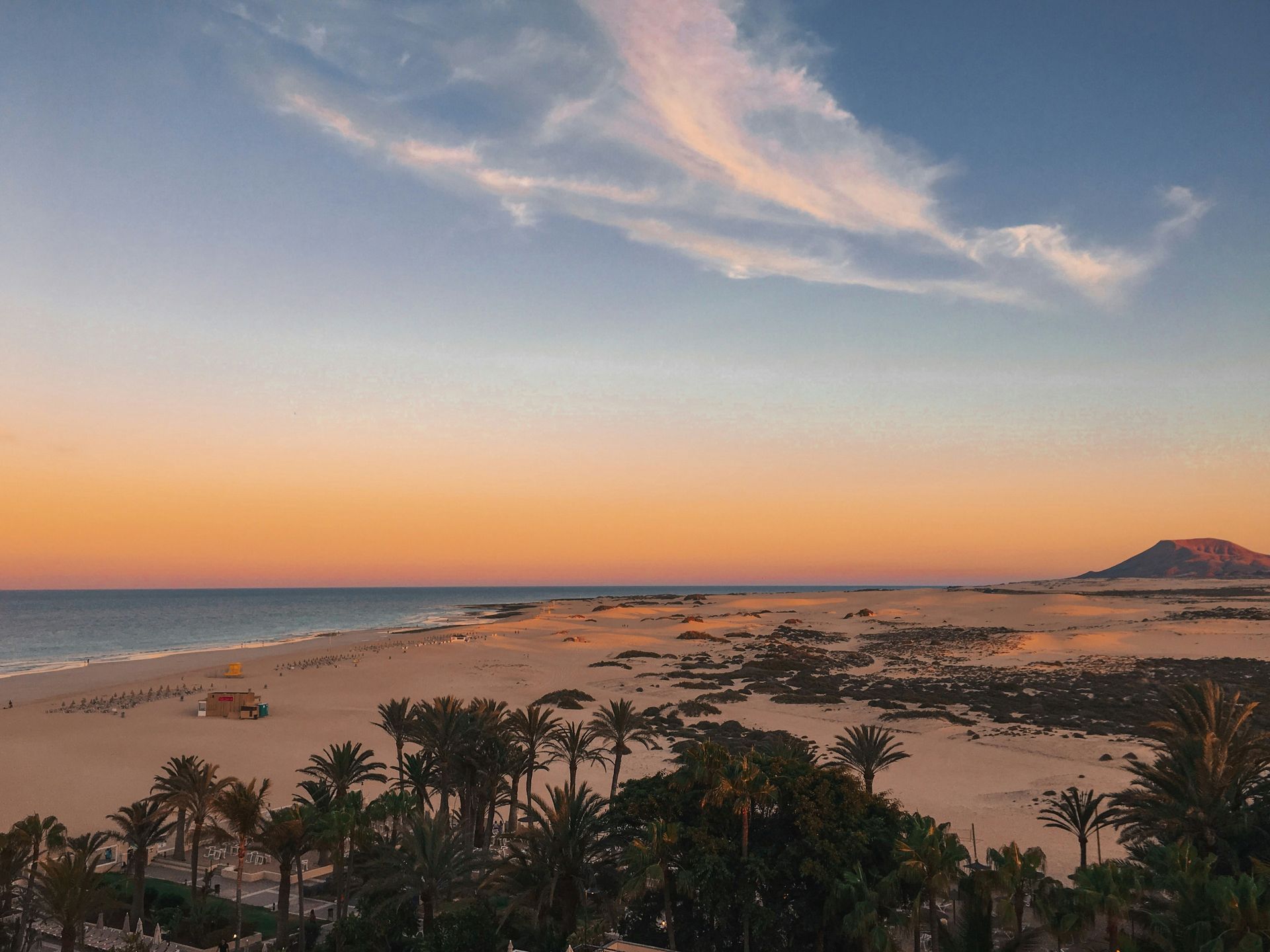
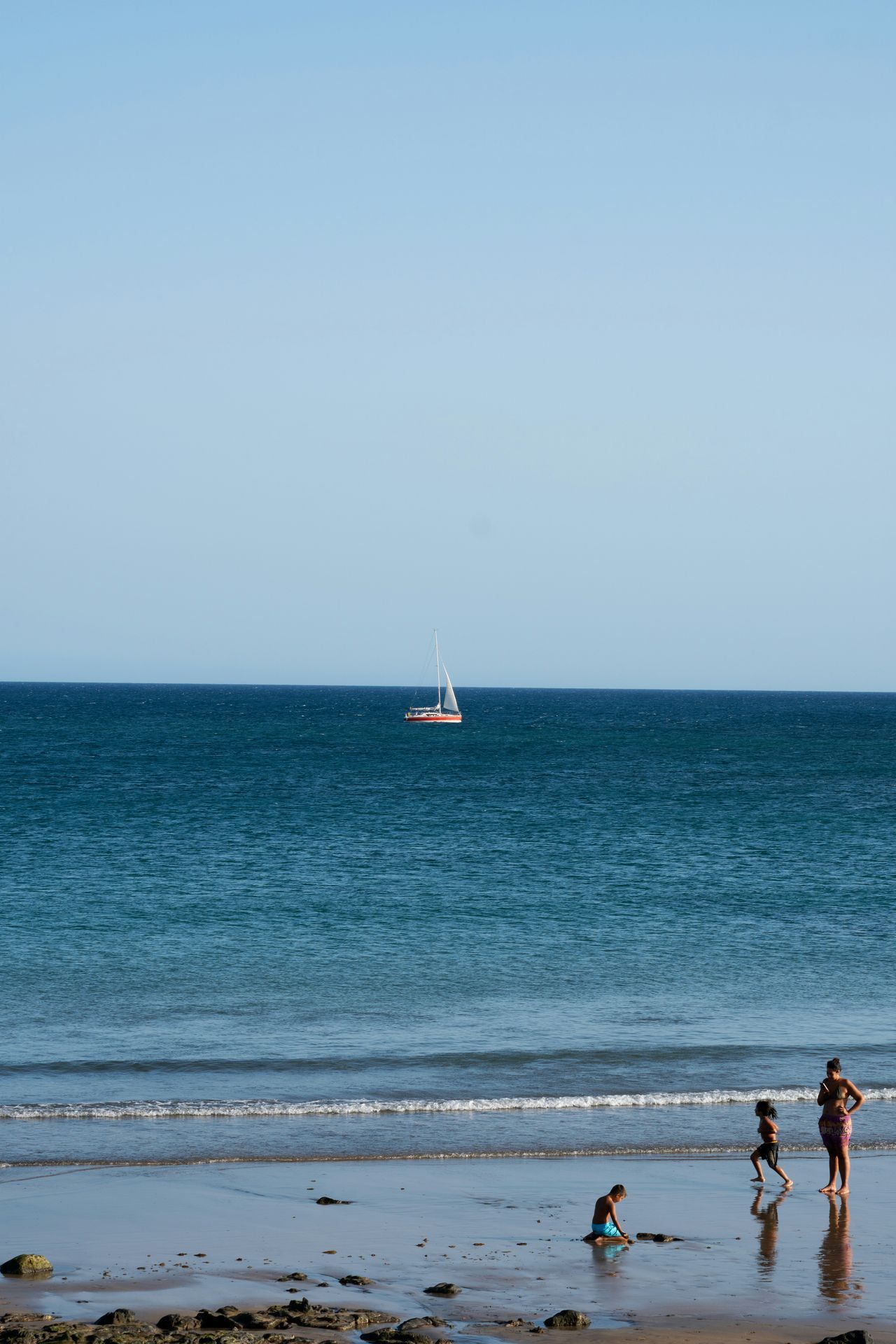
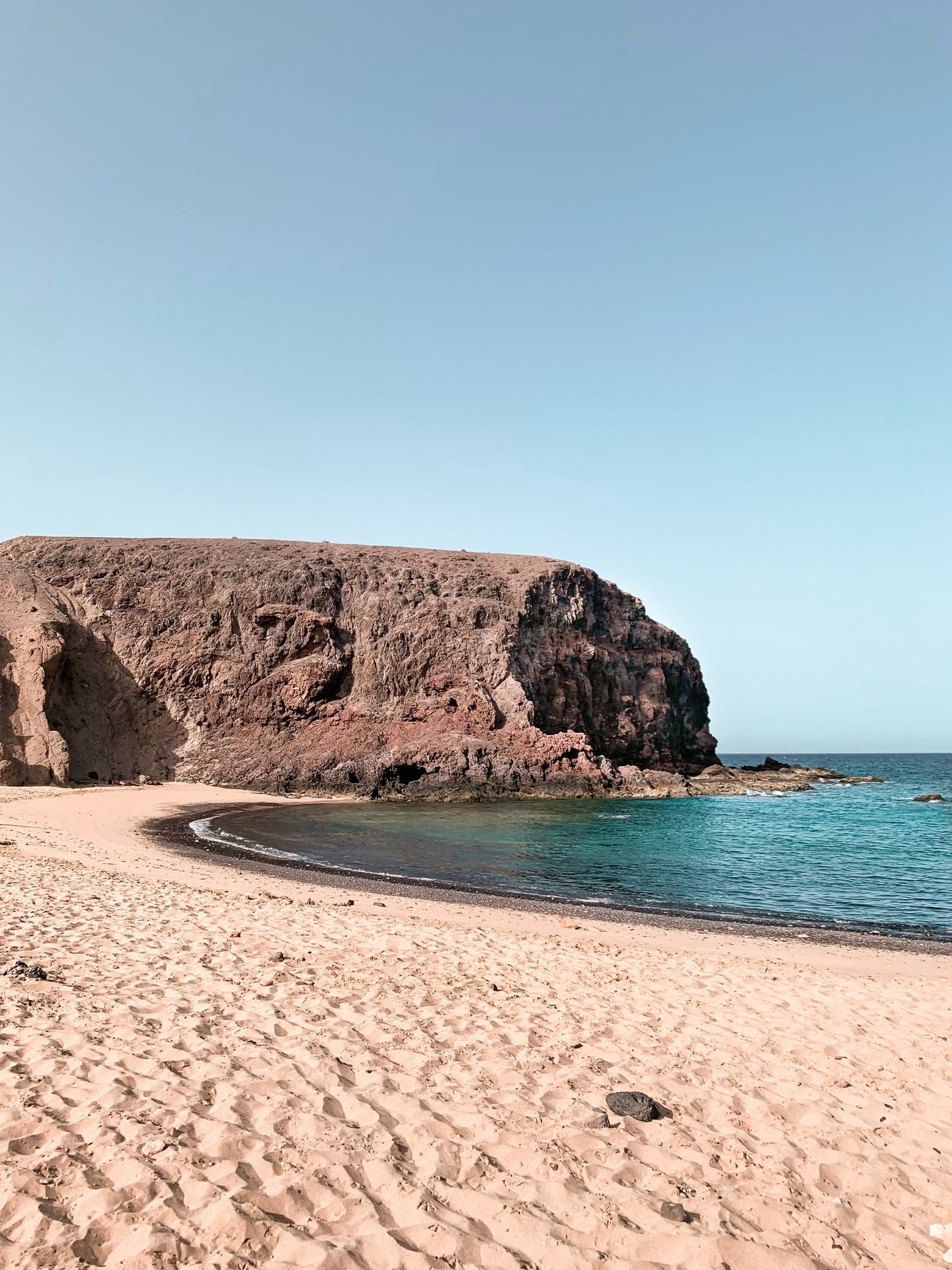
Save your last full day for the south. The Papagayo beaches sit inside a small natural park at the very bottom of the island. The roads in are unsurfaced but easy enough; there’s a small charge per car (around €3) at the entrance. Playa Papagayo is the main beach and gets busy. Walk ten minutes along the cliff path and you’ll find Playa de la Cera or Playa Mujeres, both quieter and just as good.
Take food and water. There’s nothing inside the park to buy. The water is clear, the cliffs are dramatic, and this is more or less the best beach day Lanzarote has to offer.
Tip: The Papagayo car park fills up by 11am in high season. Go early, or aim for a weekday.
For 7 Days — What the Extra Time Gets You
If you have two more days, use one of them on La Graciosa. It’s the small island you’ll have seen from Mirador del Río, accessible by ferry from Órzola in the north. The crossing takes 25 minutes. Hire bikes when you arrive — there are no tarmac roads on the island and everything’s a short ride away. It’s very quiet and completely unhurried. Give it a full day.
The other extra day is best spent doing less. Wander around Puerto del Carmen’s old harbour. Have a long lunch. If you haven’t made it to a proper local fish restaurant yet, that’s your window.
Tip: Líneas Marítimas Romero runs the ferry to La Graciosa. Book online in advance if you’re going in July or August — the boats fill up.
Lanzarote Itinerary FAQ
Is 5 days enough for Lanzarote?
For most people, yes. You’ll cover the highlights without feeling rushed. A week’s better if you want to actually slow down rather than just tick things off a list.
Do I need a hire car?
For this itinerary, yes — really. Public transport exists but it’s slow and doesn’t reach most of the places worth going. Book ahead in peak season; cars sell out faster than you’d expect.
Where should I stay?
Puerto del Carmen is the most practical base — central, decent restaurants, good transport links. Playa Blanca is quieter and works well if you’re focusing on the south. Puerto Calero sits between the two and suits couples who want somewhere a bit lower-key.
When’s the best time to go?
March to May and September to November are the sweet spots — warm, not too busy, good light. Summer’s hot and July and August in particular can feel crowded. Winter is mild but windier than you might expect.
Can you do Timanfaya independently?
The main volcanic zone is only accessible by the official park bus — no exceptions. You can drive the Ruta de los Volcanes but you can’t stop or get out of the car.
Are the Papagayo beaches actually worth it?
Yes. They’re the best beaches on the island. Go on a weekday and go early.
Is La Graciosa worth a day trip?
Yes. Small, easy to get around, and feels genuinely remote without being difficult to reach. Even half a day gives you a real sense of the place.
First time in the Canary Islands?
Lanzarote’s a solid choice. Compact, the roads are easy, and the landscape is unlike anything else in Spain. Most people who come once end up coming back.
To Wrap Up
Five days in Lanzarote, a hire car and a rough idea of where you’re going is all it takes. You’ll see the volcanoes, get to the northern caves, eat good fish, and spend at least one afternoon on a beach that looks like it belongs in a different century. Seven days just means you can let go of the schedule a bit.
The island has a habit of staying with people. It’s not immediately obvious why — nothing is especially grand or Instagram-obvious about it. But something about the light and the quiet and the sheer strangeness of the landscape tends to stick around after you leave.
Use VidodoGuide to explore Lanzarote with GPS audio routes, local stories and what is happening on the island — and spend less of your holiday figuring out where to go next.