Quick Answer
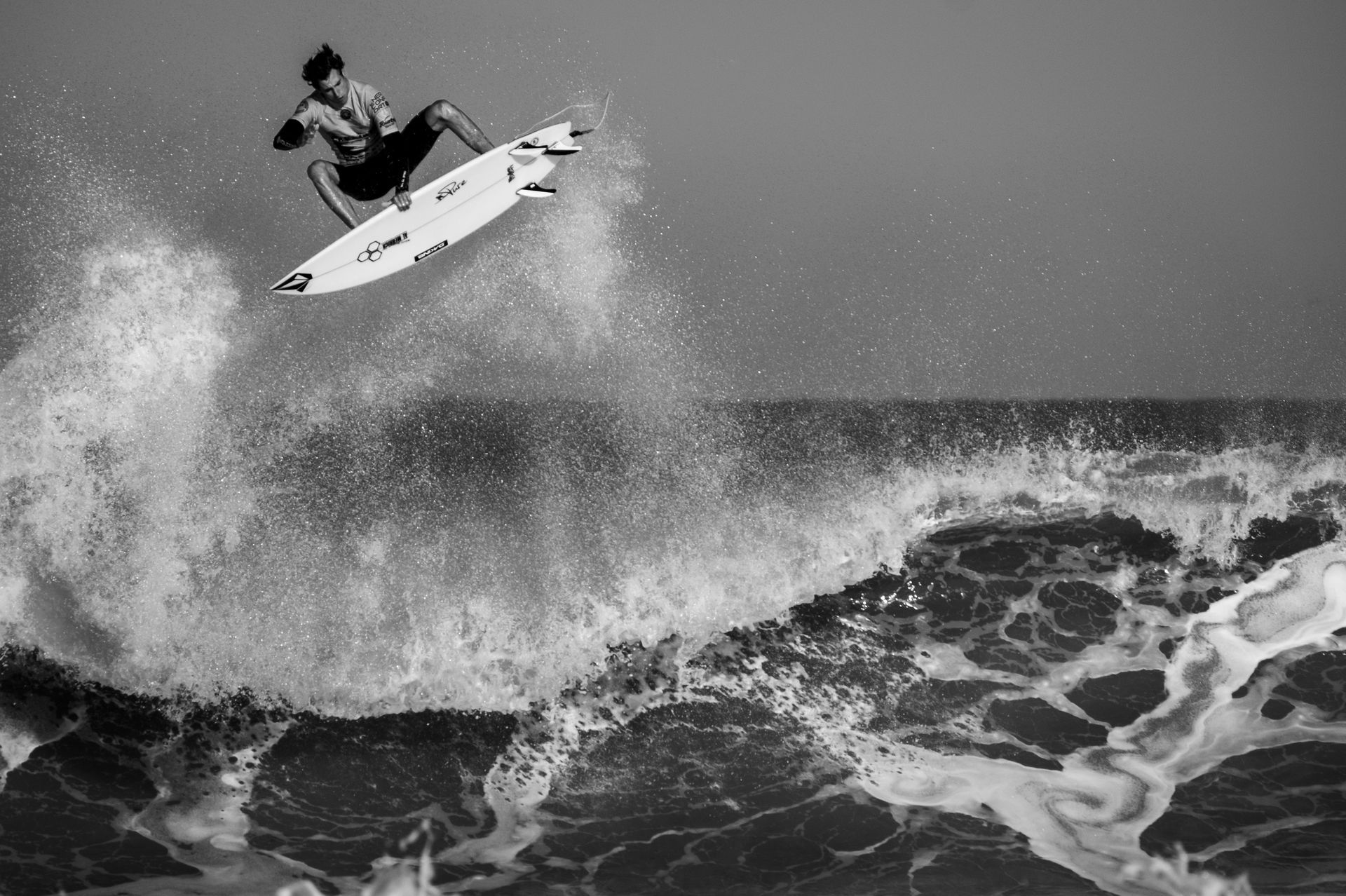
Quemao Class is an invitational surf and bodyboard competition held at El Quemao, a powerful volcanic reef wave just off La Santa on the north-west coast of Lanzarote. The modern event started in 2015 and was created in memory of David Infante El Fula, a respected Canarian surfer who lost his life at this wave in 2009. Today it brings together 32 surfers and 32 bodyboarders selected by the organisation and is one of the most dramatic sporting events on the island. Whether it runs depends entirely on the ocean.
What Is El Quemao and Why Does It Matter?
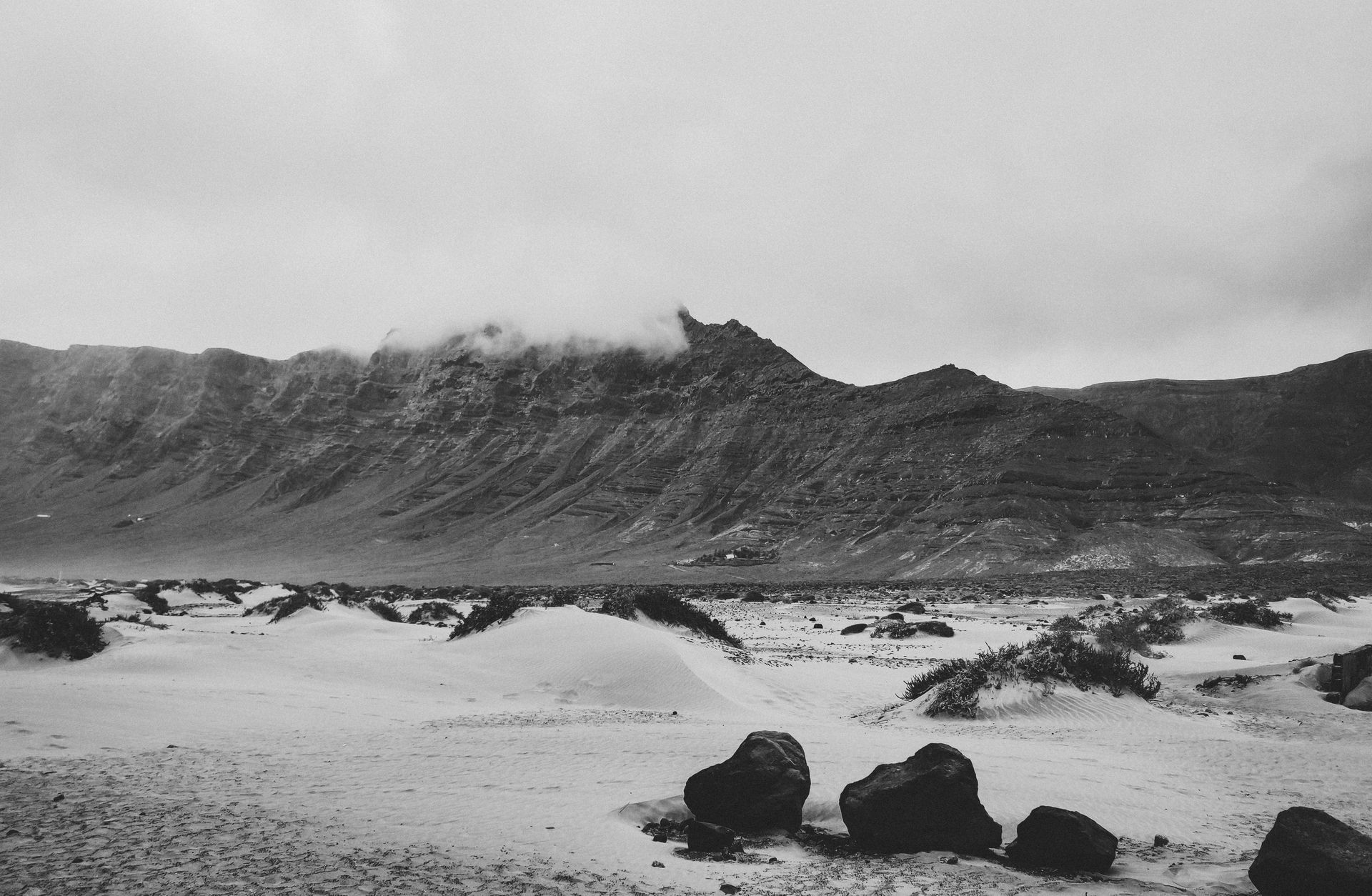
El Quemao is a reef break beside La Santa, a coastal village in the municipality of Tinajo. This is not the soft sandy Lanzarote most tourists know from Puerto del Carmen or Playa Blanca. La Santa is rawer than that: black volcanic rock, Atlantic swell, a fishing-village atmosphere and a coastline that can go from calm to furious between one morning and the next.
The wave breaks over a lava reef, which is part of what makes it spectacular and part of what makes it serious. When the conditions line up, El Quemao produces heavy hollow barrels that have earned it a reputation as one of Europe's best reef waves. It is often compared to Pipeline for the quality and danger of its left-hand barrel. You do not just show up and paddle out. You earn your place there, and even then the reef does not care.
Do not confuse watching El Quemao with surfing it. Famara is where surf lessons and beginner schools are. El Quemao is a completely different world and a completely different level.
How the Quemao Class Started
The modern Lanzarote Quemao Class began in 2015, but its origin goes back to 2009 when David Infante El Fula, a well-known and respected Canarian surfer, lost his life surfing this wave. The first edition was created to honour his memory and to give El Quemao, La Santa and the local surf community an event that matched the weight of that story.
That is why the Quemao Class carries a different emotional charge from most competitions. It is not a sporting event that happened to find a dramatic wave. It is a memorial, a gathering and a way of keeping a name and a community alive. Before the modern event existed, El Quemao already had a strong reputation and there had been earlier bodyboard activity around the wave, but the Quemao Class gave the spot a structured, recognisable and international platform.
Why It Is Invitational
El Quemao is too serious for an open format. The competition is invitational because the wave requires riders with real experience in heavy reef breaks, strong water safety skills, good judgement under pressure and the ability to know when not to go. The organisation selects 32 surfers and 32 bodyboarders based on those criteria.
For spectators that makes the event more compelling. You are watching people who understand the consequences and are going anyway. That changes the atmosphere of the whole thing.
Surf and Bodyboard: Both Get Proper Space
One of the things that makes Quemao Class work well as an event is that surfing and bodyboarding are treated with equal seriousness. Heavy reef waves and hollow barrels are a natural stage for both disciplines and at El Quemao, bodyboarders are often some of the most committed and technically impressive riders in the water. Do not make the mistake of treating the bodyboard category as a junior version of the surfing. It is not.
Recent champions give a sense of the reach and level of the event. Joan Duru and Conor Donegan in surfing. Amaury Lavernhe and David Pérez in bodyboarding. Winners from Lanzarote, Tenerife, Gran Canaria, the Basque Country, France and Réunion. The 9th edition was reported as reaching a potential global audience of 191 million people, which is a remarkable number for a competition held beside a small village on a volcanic island.
How the Alert System Works
Quemao Class cannot run on a fixed calendar the way a normal event can. The organisers need the right swell, the right wind, the right tide and safe enough conditions to put 64 riders in the water at one of the more serious waves in Europe. When those conditions are not there, the event waits.
The organisation uses a three-stage alert system. Orange means the waiting period is active. Yellow means conditions are possible and the event is being considered. Green means it is confirmed and the competition is on. When green is called, La Santa starts to feel different almost immediately.
If you are planning to visit specifically for the competition, do not book anything around a date you saw online without checking official channels first. Wait for the green alert.
What Happens When the Contest Runs
La Santa changes when the contest is confirmed. Competitors, local families, photographers, surf fans, bodyboard followers, safety teams, media and spectators all arrive along the coastline. The atmosphere is part sporting event, part community gathering and part memorial. Recent editions have included live streaming and coverage that extended the reach of the event well beyond the island.
The competition runs heats across two main days once conditions are confirmed. Between the action in the water there are rider briefings, safety protocols, prize ceremonies and the kind of informal community energy that does not get manufactured. It is there because the people who show up care about the wave, the sport and the story behind the event.
Arrive early if you want a decent viewing spot. The best positions on the coastline fill quickly when conditions are good and the event is confirmed. Do not leave it until the first heat is already running.
CHIRRIMIL: The Youth Side of the Event
Quemao Class is also connected to CHIRRIMIL, a local surf and bodyboard competition for young riders from Lanzarote and La Graciosa. CHIRRIMIL is very different from the main event. It is focused on children and teenagers, with an emphasis on participation, learning and community rather than heavy-wave performance. Recent editions have included under-16 mixed surf and bodyboard categories and family formats for younger children with parents.
The two events together show what the organisation is actually trying to do. At the top you have elite riders in serious conditions. At the base you have the next generation of local surfers learning what competition feels like in a supported environment. Both matter.
Is Quemao Class Worth Going to as a Tourist?
Yes, if you understand what kind of event it is. Quemao Class is excellent for visitors who enjoy sport, photography, local culture and dramatic Atlantic coastline. It is one of the few events on Lanzarote where what you see is genuinely world-class and completely connected to the specific place you are standing in. No version of this exists anywhere else.
It is not a polished tourist show. It is weather-dependent, locally rooted and not organised around visitor convenience. The best approach is to treat it as part of a north-west Lanzarote day. Go to La Santa, watch the sea, eat somewhere nearby and see whether the conditions and the competition come together. If they do, you will remember it.
Practical Tips for Visitors
Check before you go
Do not travel to La Santa specifically for the competition without checking the official Quemao Class channels. Wait for the green alert before making plans around the event.
Respect the coastline
The rocks around El Quemao are sharp and can be slippery when wet. Keep a sensible distance from the water, especially when the swell is large and the waves are breaking close to shore.
Do not paddle out
This should be obvious but it is worth saying clearly. El Quemao is not a visitor surf spot. Watch, enjoy and photograph the competition. Do not enter the water unless you are genuinely experienced in heavy reef surf and conditions are appropriate.
Bring sun protection and a layer
Even in winter the Lanzarote sun can be strong. La Santa is also exposed to the wind, particularly if you are standing around for several hours watching heats. Sunscreen, sunglasses and something warm for the afternoon are all useful.
Combine it with the area
La Santa, Famara, Tinajo, the volcanic fields around Teguise and the wine area of La Geria are all reasonable additions to a day that starts at El Quemao. The north-west coast of the island is one of the least visited and most interesting parts of Lanzarote.
Frequently Asked Questions
What is the Quemao Class?
An invitational surf and bodyboard competition at El Quemao, a powerful volcanic reef wave in La Santa, Tinajo, Lanzarote. 32 surfers and 32 bodyboarders are selected by the organisation.
When did Quemao Class start?
The event was created in memory of David Infante El Fula, a respected Canarian surfer who died at El Quemao in 2009.
Where is El Quemao?
La Santa, in the municipality of Tinajo on the north-west coast of Lanzarote. Not a tourist beach. A working reef wave with serious conditions.
Can beginners surf El Quemao?
No. It is a powerful volcanic reef break for advanced and professional surfers and bodyboarders. Beginners should go to Famara with a qualified surf school.
How do I know if the competition is running?
The organisation uses an alert system. Orange means waiting, yellow means possible, green means confirmed. Check the official Quemao Class channels before travelling specifically for the contest.
Is Quemao Class free to watch?
Spectator access is normally from the La Santa coastline. Check the current official information before going as arrangements can vary by edition.
What is CHIRRIMIL?
A local youth surf and bodyboard competition linked to Quemao Class, focused on young riders from Lanzarote and La Graciosa. Very different energy from the main event but genuinely worth knowing about if you have children who surf.
To Wrap Up
Quemao Class is not just a competition. It is a wave, a village, a community, a memory and a story that has been running since 2015 and growing since 2009 when El Fula died at the same spot where the best riders in Europe now compete every year.
The wave is the event. Everything else is built around it. If you get to see it running under good conditions, even from the shore, it is one of the most genuinely impressive things Lanzarote has to offer.