What Is Caletón Blanco?
Caletón Blanco is one of the most distinctive beaches in north Lanzarote, sitting on the northern coast close to the village of Órzola. If you have seen photos of a Lanzarote beach with startlingly white sand surrounded by dark lava rock and shallow clear pools, this is probably it. The white sand, the black volcanic formations and the turquoise water are all real and they are all doing exactly what the photos suggest. In real life it is actually slightly more dramatic than most people expect.
It is not a resort beach. There are no sunbed rows or beach bars directly on the sand. What it has is a landscape that feels genuinely unusual even by Lanzarote standards, which is saying something on an island that is already fairly committed to looking dramatic.
Why It Looks the Way It Does
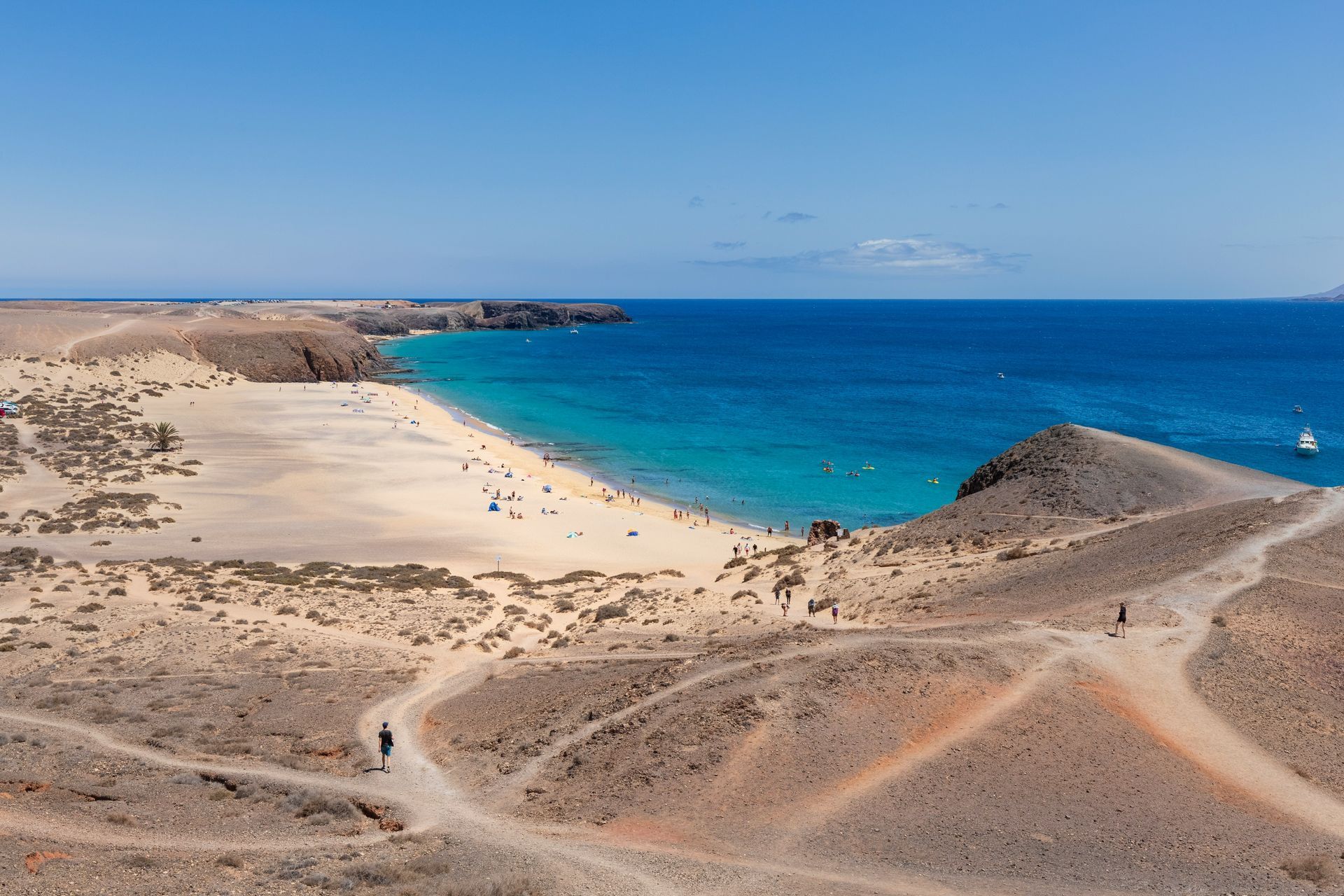
The white sand at Caletón Blanco is not the typical volcanic dark sand you find elsewhere on the island. It is bright, pale and shell-rich, almost coral-like in colour in certain light, which is what creates the contrast against the black lava formations around it. The lava creates natural coves and shallow lagoon-like areas where seawater collects, and when the sea is calm those pools can be very still and very clear.
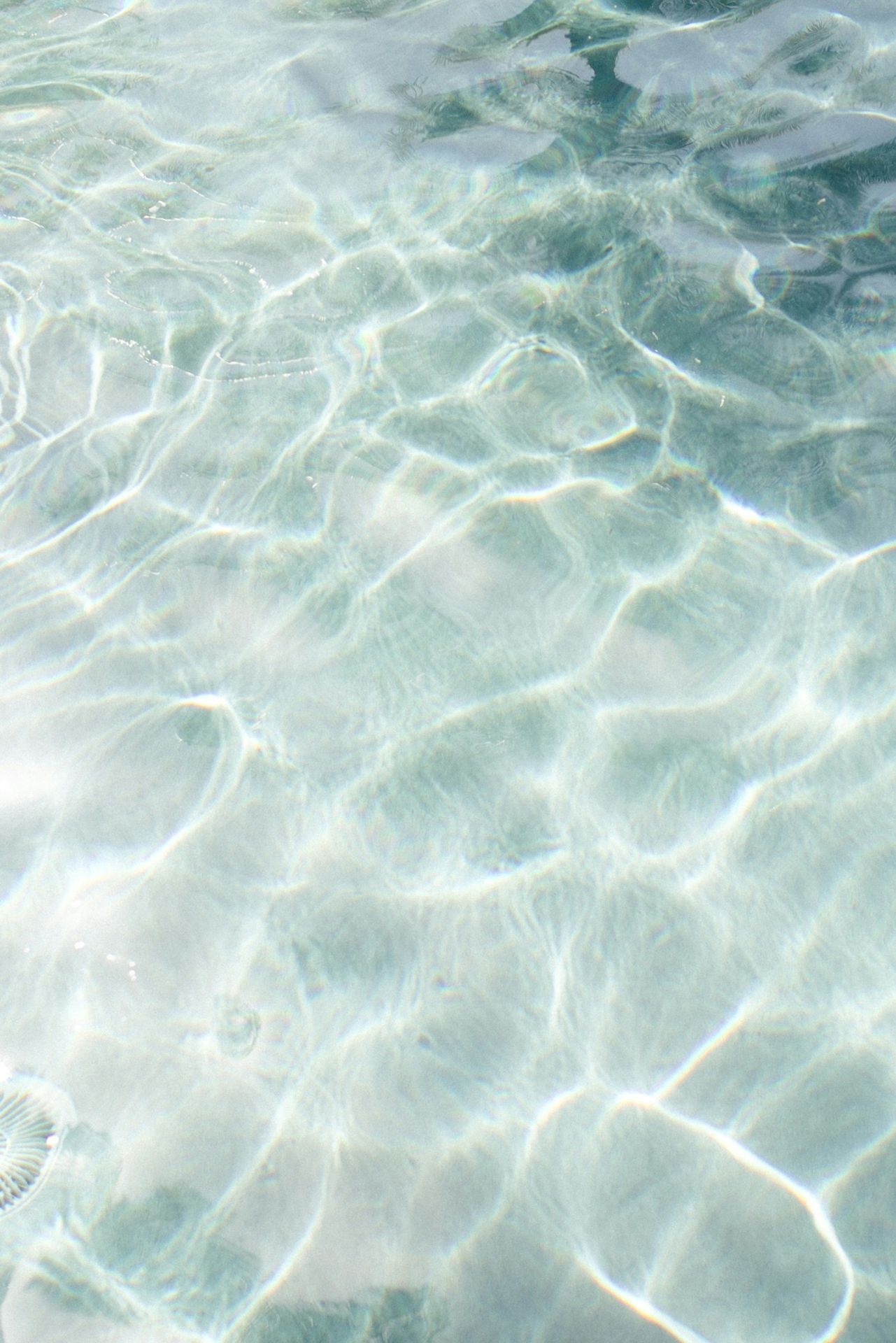
On calmer days, the water in the lagoons can be almost completely still, which is when the colours look strongest and the whole place looks least believable. The result is a beach that looks almost designed, which is ironic because nothing here was designed at all. It is volcanic geology and Atlantic ocean doing what they do and the combination happens to be extremely photogenic.
Is It Good for Swimming?
In many areas, yes, particularly when sea conditions are calm. The natural volcanic formations can create more sheltered sections than some of the more exposed beaches in northern Lanzarote, and the shallow lagoon areas are appealing when the water is still.
That said, there is no lifeguard at Caletón Blanco. Check sea conditions before swimming, be careful with children near the water and pay attention to how the sea is behaving that day. The sea here does what it wants depending on the day. Many people come not specifically to swim but to sit in the shallow areas, take photographs and enjoy a beach that requires very little of them.
Go at low tide if you can. The shallow areas and the rock pools look best when they are filled but still and the contrast between the white sand and the black lava is clearest in that light.
Is It Good for Families?
Caletón Blanco can be a good beach for families, especially when the sea is calm. The shallow areas created by the volcanic rock are appealing for children who want to paddle without going far out. The white sand is comfortable for sitting and the overall pace of the beach is quiet and unhurried.
Children should always be supervised near the water and near the volcanic rock, which can be sharp in places. Comfortable footwear is useful for walking across the lava sections to reach different parts of the beach.
What to Bring
Caletón Blanco is relatively natural and the facilities are limited. There are no toilets, no showers and nothing directly on the sand. There is parking nearby along the coastal road, but that is about the extent of the infrastructure. This is not the place to arrive expecting a beach bar and a parasol rental. Bring everything you need and treat it as a packed-lunch beach rather than a resort beach.
Water, more than you think
Sun protection and a hat
Snacks
Comfortable footwear for the lava sections
A towel and something to sit on
In summer the sun is strong and the lava rock reflects heat. Shade is limited. The north coast can also be windier than the resort areas in the south, so a light layer is worth having in the bag even on warm days.
How to Get to Caletón Blanco
Caletón Blanco is located on the LZ-1 road between Arrieta and Órzola. The easiest way to reach it is by car. Most visitors park along the roadside where the beach opens up into several small natural coves, and there is no single main entrance. You will see multiple access points as you drive along the coast rather than one obvious car park with a sign.
The first areas you reach coming from the south tend to be the busiest. If you continue driving towards Órzola you will find quieter sections with fewer people and more of the beach to yourselves. It is worth the extra five minutes.
When to Go
Early morning is the best time for photographs and for finding the beach quieter. The light is good, the wind is often lower and the pools can be very still. Late afternoon also works well for softer light and fewer people.
During summer months Caletón Blanco becomes more popular, particularly with photographers who have seen it online and want to see whether it really looks like that. It does. Going earlier in the day gives you a better chance of experiencing it without too many other people standing in the frame. The stretch closest to Órzola tends to be quieter than the first areas you reach when arriving from the south, which is where most people stop without going further.
How to Combine It with the Rest of the North
The northern location near Órzola is one of Caletón Blanco's practical advantages. It sits naturally on a route that also includes Órzola itself, the ferry to La Graciosa, Jameos del Agua caves, Cueva de los Verdes and Mirador del Río. A full day in the north of Lanzarote can include all of those without much doubling back, and Caletón Blanco fits in as a beach stop that does not require a significant detour.
If you are already planning a La Graciosa day trip from Órzola, stopping at Caletón Blanco on the way there or back takes very little extra time and adds something genuinely different to the day.
Is Caletón Blanco Worth Visiting?
Yes. It is one of those beaches that justifies its own reputation, which is not always the case with places that appear constantly in travel photography. It looks as good in person as it does online and it has a quieter, more natural feel than the resort beaches in the south.
It is not the right choice if you want facilities, services and a long stretch of easy swimming beach. It is the right choice if you want something that looks and feels different from everything else on the island. It is also one of the easiest places in Lanzarote to visit without planning your entire day around it.
Frequently Asked Questions
Where is Caletón Blanco?
On the northern coast of Lanzarote on the LZ-1 road between Arrieta and Órzola. It sits naturally on a route that includes the ferry to La Graciosa, Jameos del Agua, Cueva de los Verdes and Mirador del Río.
What makes Caletón Blanco different from other Lanzarote beaches?
Most Lanzarote beaches are dark volcanic sand. This one is not, and the contrast when you arrive is genuinely startling. White sand, black lava, turquoise water, all next to each other. Nothing else on the island looks quite like it.
Is Caletón Blanco good for swimming?
In many areas yes, when sea conditions are calm. There is no lifeguard so always check conditions before going in and be careful with children near the water and the volcanic rock.
Are there facilities at Caletón Blanco?
No toilets, no showers, nothing on the sand. There is parking nearby along the coastal road but that is the extent of the infrastructure. Bring everything you need.
When is the best time to visit Caletón Blanco?
Early morning for the quietest conditions and best photography. Late afternoon for softer light and fewer visitors. In summer it gets busier so arriving early makes a noticeable difference. The stretch closest to Órzola tends to be quieter than the first areas most people stop at.
Can you combine Caletón Blanco with other attractions?
Very easily. Órzola, La Graciosa, Jameos del Agua, Cueva de los Verdes and Mirador del Río are all nearby and a full northern Lanzarote day fits all of them without much effort.
To Wrap Up
Caletón Blanco is the kind of beach that people photograph and then feel slightly defensive about sharing because they do not want it to get busier. The white sand and black lava combination is real, the shallow pools are real and it looks exactly like the photos, which is rare enough on its own.
Go early, bring water, wear shoes you do not mind walking on lava in. That is genuinely all you need to know. The rest is just showing up early enough to enjoy it before everyone else has the same idea.