Quick Answer
Easter in the Canary Islands is celebrated with Semana Santa processions, church services, family meals and time together, just like in many other parts of Spain. What makes it feel special here is the local character of each island and town, the spring atmosphere, and the way Holy Week often sits naturally within everyday island life.
If you want the slightly longer version: it is warm, it is personal, it smells like incense and someone's grandmother's cooking, and it is one of the best times of year to be on the islands if you know where to be.
What Is Easter in the Canary Islands Like?
Easter in the Canary Islands follows the same Christian Holy Week structure you find across Spain. Palm Sunday, Maundy Thursday, Good Friday, Easter Sunday. Church services, processions, families gathering around tables that were not designed for this many people. You know the general shape.
What changes is the feeling. On the islands, Holy Week tends to sit inside normal life rather than taking it over. You can watch a procession on Thursday evening and be at the beach by Saturday afternoon and nobody here finds that strange. Tradition and island life have always made room for each other. Nobody had to negotiate it. It just works.
Canary Islands Easter traditions feel memorable for exactly this reason. You are not watching something that was arranged for you. You are standing in a street where this has been happening for generations, and that feels completely different.
If you want to experience the real atmosphere of Easter in the Canary Islands, spend time in historic town centres and near churches rather than staying only in tourist resort areas. Resort areas mostly just get busier. Old towns actually change.
How Is Easter Celebrated in the Canary Islands?
People search for how Easter is celebrated in the Canary Islands expecting one clean answer. There is not one. It depends on the island, the town, the parish. But some things show up almost everywhere.
Semana Santa Processions and Church Services
The most visible part of Semana Santa in the Canary Islands is the religious side. Many towns organise processions where statues of Christ or the Virgin Mary are carried through the streets, accompanied by candles, music and members of the local parish. Real events organised by real communities, not tourism productions. You notice the difference when you are standing there.
Some places are especially known for Holy Week in the Canary Islands. La Laguna in Tenerife is one of the best-known settings for Easter traditions in the archipelago, with a historic centre that was practically made for candlelit processions. In Las Palmas de Gran Canaria, the old districts of Vegueta and Triana are closely linked to Holy Week celebrations. In Arrecife in Lanzarote, Palm Sunday is associated with the procession of the Lord of the Burrita at San Gines, which has been going long enough that the name alone tells you it did not start recently.
These processions are an important part of Canary Islands Easter traditions. And they are only one part of the week.
Family Time and Shared Meals
Another big part of Easter in the Canary Islands is family. Your cousin is coming. Your aunt is making food for twelve. Your grandmother has views about the torrijas and she is sharing them with everyone whether they asked or not. You will sit at that table whether the flat is big enough or not, and somewhere around the third hour you will realise you are having a very good time.
Even for people who are not deeply religious, Holy Week still feels like a meaningful time of year here. The family side is one of the reasons Easter in the Canary Islands feels warm and personal. Not just an official calendar event. Something people actually show up for.
Traditional Sweets and Seasonal Food
When people ask about food during Easter in the Canary Islands, the best-known answer is torrijas. Bread soaked in milk, fried, dusted with cinnamon and sugar. Either the best thing you have ever eaten or deeply confusing depending on your relationship with soggy bread. Either way, someone will put a plate of them in front of you.
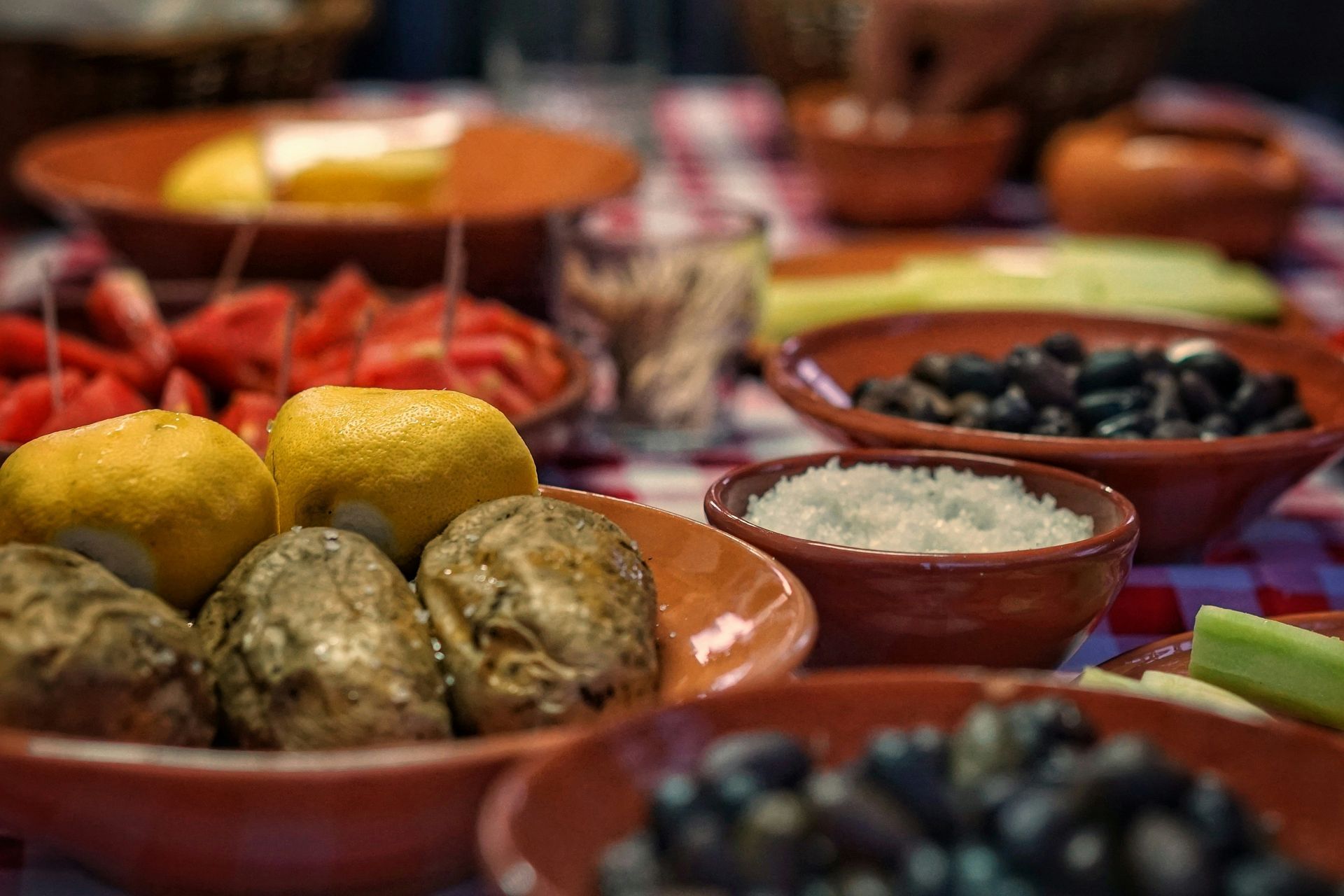
Canary Islands Easter traditions do not revolve around one fixed menu though. In most homes it is the kind of Canarian cooking people already love the rest of the year, just more of it and with more people around the table than there are chairs.
Time Outdoors During Holy Week
Here is the part that makes Easter in the Canary Islands feel different from almost anywhere else. After the procession, or instead of it if that is how your Thursday is going, you can go for a coastal walk. Have lunch outside. Drive through the landscape and watch the light change over the volcanic hills in the late afternoon and feel very pleased about where you live.
The outdoor element does not replace the religious side of Holy Week in the Canary Islands. It sits alongside it, which is just how life works here. Faith and sea air have always coexisted without anyone making a fuss about it.
Are Canary Islands Easter Traditions Different from Mainland Spain?
They can feel different in atmosphere and local character, but the more accurate answer is that it depends on the place. It is more useful to talk about regional variation than to make a dramatic island-versus-mainland comparison.
Spain has enormous regional differences in how Easter is celebrated. The most famous mainland cities do Holy Week at a scale that is hard to describe until you have seen it. Streets close for hours. The whole city reorganises itself around procession routes. It is extraordinary and worth seeing once in your life.
The Canary Islands do it differently. Not worse, not less seriously. Differently. The traditions are real and they matter here. But daily life carries on alongside them rather than stopping for them. You attend a procession and then you go for lunch and that is a completely normal Holy Week here. Both versions are worth experiencing. They are just the same thing expressed through completely different characters.
What Makes Easter in the Canary Islands Feel Special?
Each Island Has Its Own Personality
There is no single Canary Islands Easter. Tenerife has some of the best-known and most historic Easter traditions in the archipelago. Gran Canaria has its own strong Holy Week atmosphere, especially in older urban areas. Easter in Lanzarote often feels quieter and more understated, with local events that are meaningful without trying to impress anyone.
Holy Week in the Canary Islands is not the same event repeated across different postcodes. It is different local expressions of the same tradition, shaped by each island's history, community and general personality.
The Setting Does More Than You Expect
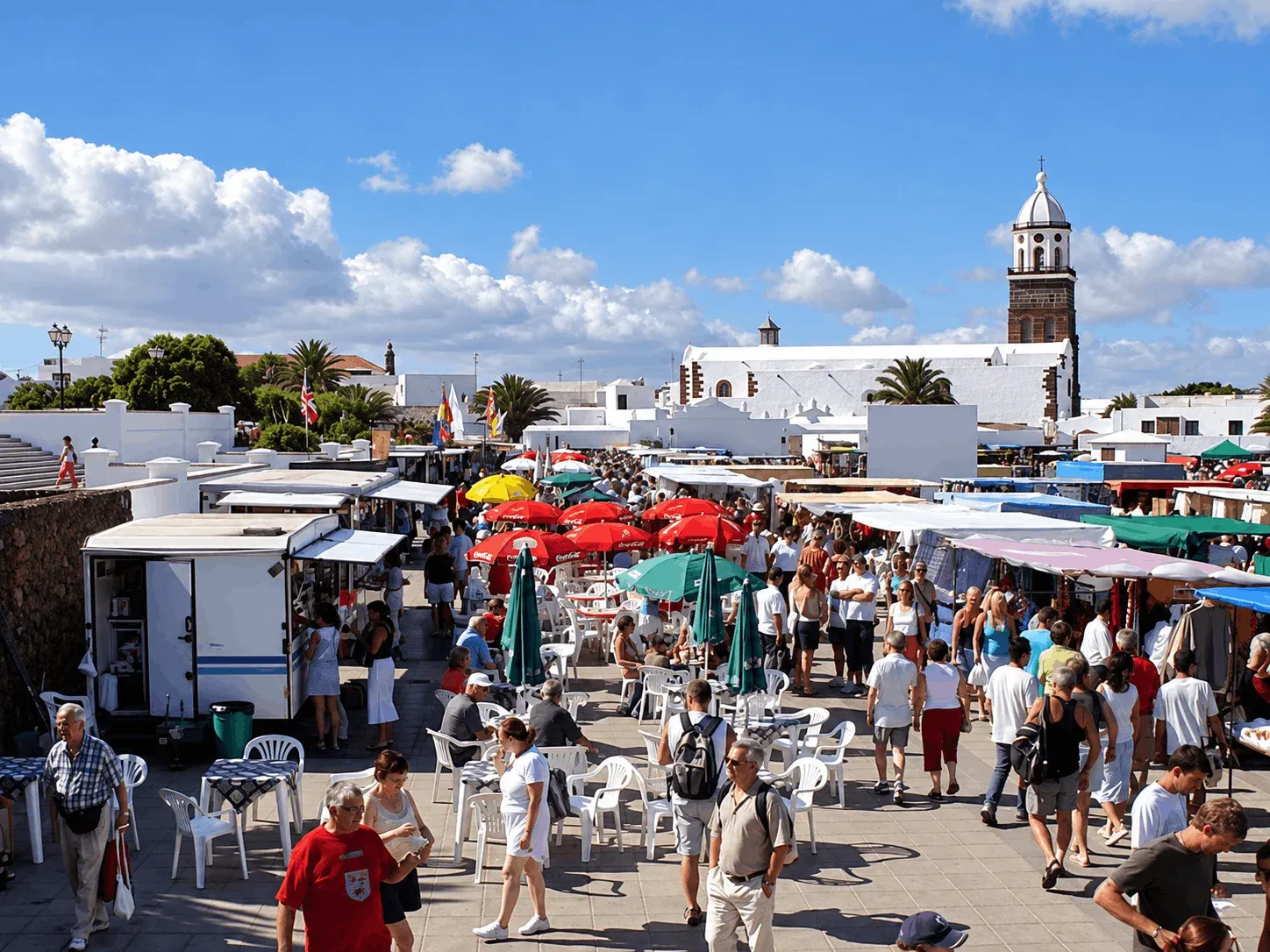
Palm trees. Whitewashed churches. Atlantic light at five in the afternoon. Volcanic landscapes behind the old town. Even the most solemn Good Friday procession feels different when the backdrop is a Canarian town at dusk and the air smells like the sea. Something in the setting here softens everything without making it any less serious. The week sits differently in your memory because of it.
It Feels Closely Tied to Community Life
Semana Santa in the Canary Islands tends to feel closely connected to local community life. In many towns, Holy Week is not just about formal events on a calendar. It is about neighbourhood traditions, local churches, familiar routes and people who come back every year to take part the same way their parents did before them. It is woven into the life of the town rather than placed on top of it. That difference is small and enormous at the same time.
If you want to understand how Easter is celebrated in the Canary Islands, see at least one procession and then just walk around the town before or after it. The atmosphere of the whole week matters as much as any single event.
Easter in Lanzarote
Many visitors search specifically for Easter in Lanzarote so it deserves its own section.
Easter in Lanzarote is usually experienced in a more local, understated way than in some larger Holy Week destinations elsewhere in Spain. That does not make it less meaningful. It just means the atmosphere is quieter and more rooted in parish and town life rather than large public spectacle. Which, honestly, suits the island.
In Arrecife, the area around San Gines is especially relevant during Holy Week. Palm Sunday and other events in the parish calendar give visitors a chance to see how Semana Santa in Lanzarote is marked locally, without having to navigate enormous crowds to do it.
For many people this is exactly what makes Easter in Lanzarote appealing. Tradition in a relaxed setting, spring weather doing its best, an island that is beautiful regardless of what week it is. Not a bad combination.
What Should Visitors Expect During Holy Week in the Canary Islands?
A blend of local tradition and holiday atmosphere. In tourist areas Easter may simply feel like a busy travel period. In historic centres and traditional towns you will get a much clearer sense of how Easter is celebrated in the Canary Islands and why it has the character it does.
Some Places May Have Reduced Opening Hours
During Easter in the Canary Islands, especially on Maundy Thursday and Good Friday, some businesses and services may close or cut their hours. Tourist areas generally keep going but if you need something specific on those days, check first. Being caught off guard on Good Friday because everything is closed is not the Easter experience anyone planned.
The Best Atmosphere Is in the Old Towns
To experience Canary Islands Easter traditions properly, go to old quarters, areas around churches and towns with a strong local identity. That is where the week actually feels different. Resort areas mostly just feel busier.
The Feel of the Week Matters
Part of what makes Easter in the Canary Islands memorable is not only the processions but the overall atmosphere. Church bells on a Thursday evening. Families filling restaurants that have pushed their tables together. Streets a little slower in the middle of the day. Spring weather finally behaving itself. Once you have felt it once you tend to come back for it. That is probably the best thing you can say about a place.
So, What Do Canarians Do at Easter?
The most honest answer to what do people do at Easter in the Canary Islands is this: they celebrate it in ways that are religious, social, family-focused and strongly local, and those details depend on the island and the town.
They go to church or they watch the procession from the street or they do both. They have lunch with people they love and it goes on longer than planned. They take a walk because the afternoon is too nice to waste. They eat torrijas because someone made them and it would be rude not to. They have the kind of week that feels worth having.
Not one big dramatic moment. A week with a particular feeling to it. The kind you remember more clearly than you expect to.
Frequently Asked Questions
Q: What is Easter in the Canary Islands like? A: Warm, personal and closely tied to wherever you happen to be on the islands. Processions, family lunches that go on too long, church bells, and a general sense that the week means something. The exact version depends entirely on the island and the town.
Q: How is Easter celebrated in the Canary Islands? A: With Semana Santa processions, church services, family meals and community traditions throughout Holy Week. Ask ten different people from ten different towns and you will get ten slightly different answers, which tells you everything about how local it all is.
Q: Are Canary Islands Easter traditions different from mainland Spain? A: In feeling, yes. In meaning, no. The traditions are the same. The scale, the setting and the way it fits into daily life are different. Neither version is better. They are just shaped by different places and different histories.
Q: What are the main Canary Islands Easter traditions? A: Palm Sunday events, Holy Week processions, church services, family gatherings and torrijas that someone's grandmother made and you are absolutely having some. Each island and town adds its own local character on top of that.
Q: Where can you experience Holy Week in the Canary Islands? A: La Laguna in Tenerife and the old town areas of Las Palmas de Gran Canaria are the best-known. Arrecife in Lanzarote is quieter but worth it. Old town centres are always where the atmosphere is. Stay out of the resort bubble if you actually want to feel the week.
Q: What is Easter in Lanzarote like? A: Quieter and more local than you might expect. The church of San Gines in Arrecife is the main point for Holy Week traditions on the island. Intimate rather than overwhelming, which for a lot of people is exactly right.
Q: Do people go out during Easter in the Canary Islands? A: Of course. Faith and outdoor island life have always coexisted here without any awkwardness. You go to the procession and then you go to lunch and nobody here thinks that is a contradiction.
Experience Easter in Lanzarote Properly
If you are spending Easter in Lanzarote, leave the resort. Visit Arrecife, spend time around San Gines and get to at least one local Holy Week event. That is where you start to understand how Easter is celebrated in the Canary Islands, not as a date on the calendar but as something people here actually live.
Worth the effort. Everything that makes Lanzarote good is also there during Holy Week, just with church bells added.