The Short Answer
Timanfaya National Park is worth visiting if you want a structured volcanic-landscape experience in Lanzarote and are prepared for a protected, regulated visitor format rather than unrestricted wandering. It is one of the most extraordinary-looking places in Europe and also one where you cannot just go off and do whatever you want, because it is a national park with conservation rules and they take those seriously.
Knowing that before you arrive makes the experience considerably better than arriving expecting to freestyle across a lava field and discovering that is not how any of this works.
What Is Timanfaya National Park?
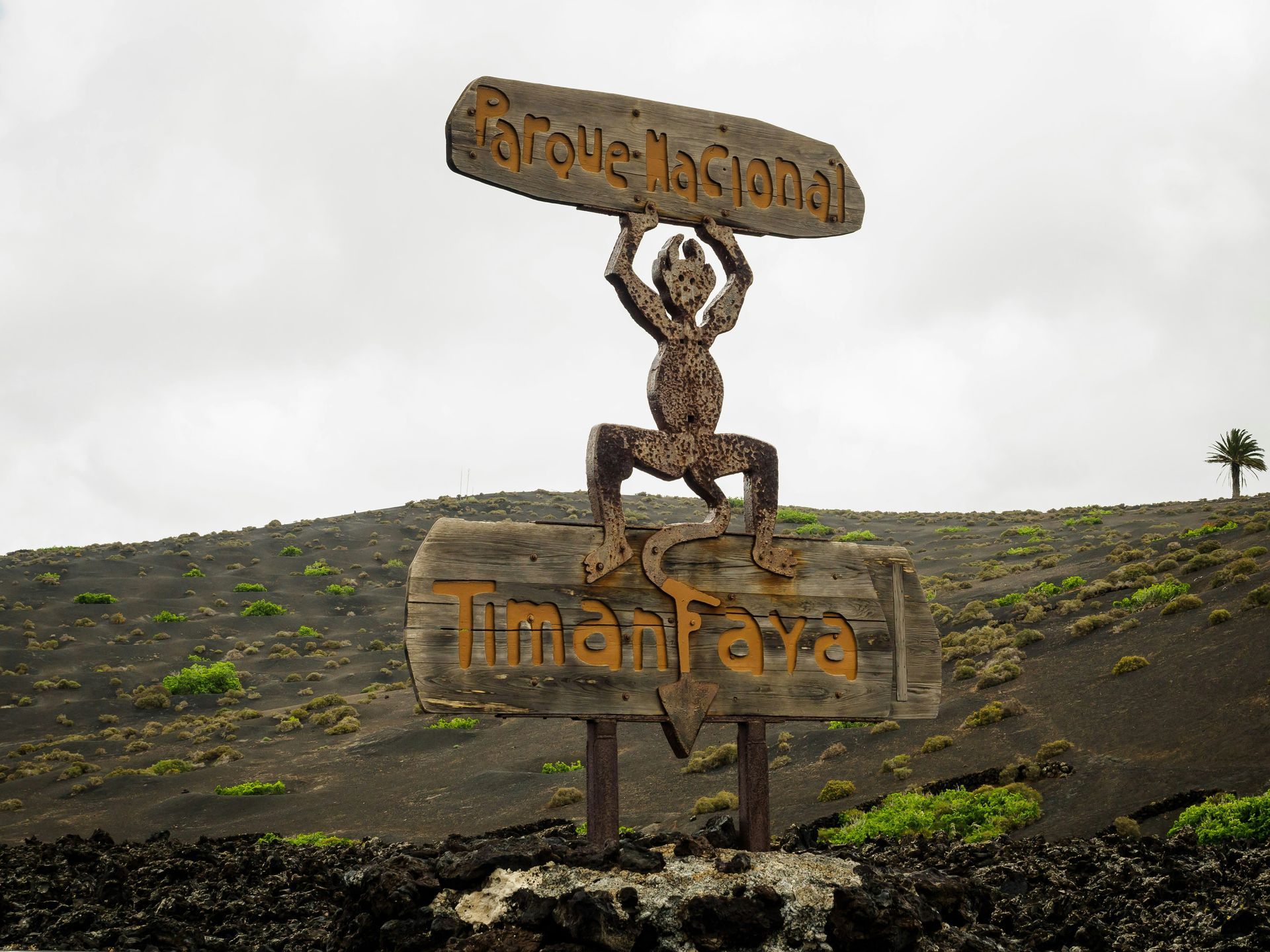
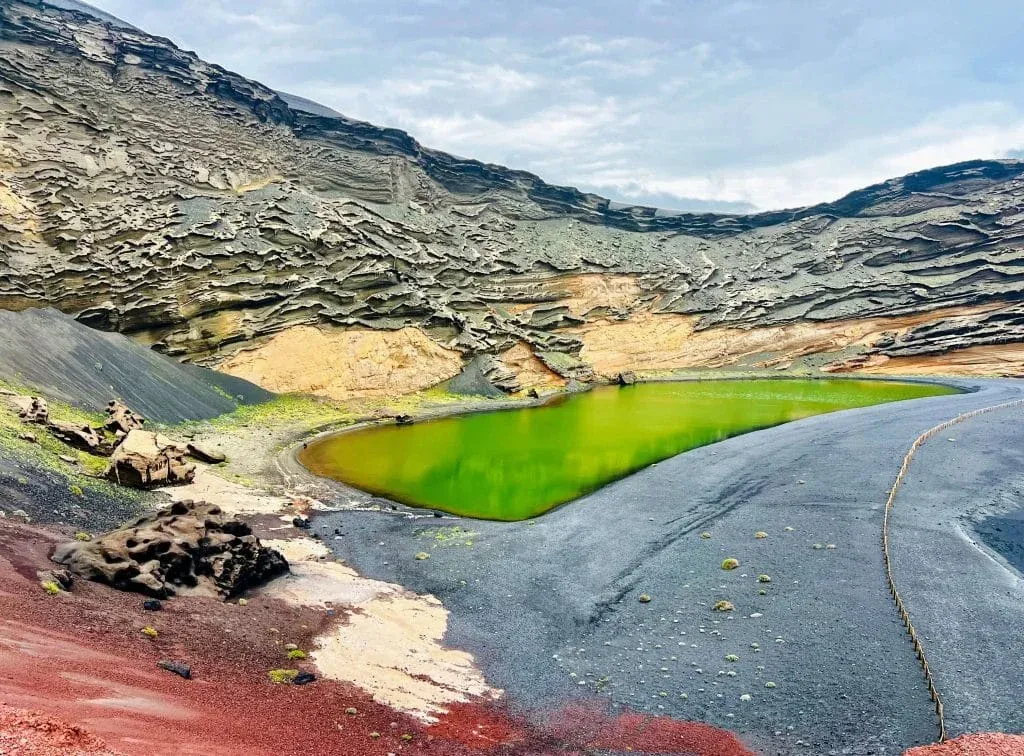
Timanfaya is a protected volcanic landscape in Lanzarote. Most of what you see when you visit, the black lava fields, the burnt ochre and red cones, the terrain that looks like somewhere a film crew would go when they needed to suggest another planet, all of it came from the eruptions of 1730 to 1736. Six years of volcanic activity that changed the surface of the island dramatically and created the landscape that people now travel from across the world to look at.
The park is protected, which means access is controlled and there are specific visitor routes rather than open access. That is not a bureaucratic inconvenience. It is the reason the place looks the way it does and not like somewhere a thousand tourist coaches have slowly destroyed over forty years. It is worth going in with that understanding.
What Can You Actually Do There?
The official park website lists several routes and experiences. The Ruta de Los Volcanes is the one most visitors do. It is a guided bus route, 12 km long, taking about 45 minutes, going through the volcanic landscape with a guide narrating what you are looking at. You cannot do this one on foot. You go by bus. Some people find that slightly disappointing until the bus is moving through terrain that genuinely looks like nothing on earth, at which point the disappointment usually resolves itself.
If you want to actually walk inside the park, the Ruta de Tremesana is a guided walking route, 3.5 km, around 3 hours, and needs to be booked in advance. The Ruta corta del litoral is also guided, 2 km, about 2.5 hours, taking you through coastal volcanic terrain. The Ruta larga del litoral is a free route, 9.75 km, taking 5 to 6 hours, and is the option for people who want a proper day out rather than a managed experience. The Ruta en dromedario is exactly what it sounds like. 250 metres on a camel. 20 minutes. Either a brilliant story or a deeply regrettable decision depending on your feelings about camels.
Book guided routes in advance. The Ruta de Tremesana and the coastal routes fill up. Turning up without a booking and hoping for the best is the Timanfaya equivalent of arriving at a Michelin restaurant on a Saturday evening without a reservation. You will be fine but you will be having a different kind of evening than you planned.
The Mancha Blanca Visitor Centre
The official MITECO page describes the Centro de Visitantes e Interpretacion de Mancha Blanca as the park main public-use infrastructure. It is on Ctra. Tinajo-Yaiza at km 11.5, open daily from 09:00 to 16:00. Inside there are permanent exhibition rooms, a simulation room, a projection room, a library, viewpoints, an elevated walkway over lava flows, a sensory experience room, a shop, and parking. It is also set up for visitors with reduced mobility, with a personalised service available.
The visitor centre is also where the free guided interpretive walking routes are offered for the Ruta de Tremesana and the Ruta de Litoral. If you want those routes, this is where you start.
Montanas del Fuego: What to Know Before You Go
Visiting hours for Montanas del Fuego are 09:30 to 15:45 last entry, or until full capacity. The official ticket page notes that buying in advance does not guarantee immediate entry because there can still be waiting times at the entrance and during the visit. So go early. Not because the light is better at sunrise, though it is, but because showing up at 14:00 in August and being surprised by the queue is a specific kind of frustration that is very easy to avoid.
Go before 10:00. The difference between Timanfaya at 09:30 and Timanfaya at noon is the difference between a profound experience and a hot queue. The park does not get less extraordinary later in the day, but your relationship with it does.
What to Bring
The official park website is pretty clear about this. Trekking shoes or mountain boots. Breathable clothing. A windbreaker. Water. Food. A cap. Sunglasses. High-protection sun cream. Lanzarote in the sun on black volcanic ground is considerably hotter than Lanzarote anywhere else, and the wind can make you feel cooler than you are until it does not.
Also worth knowing: there are no picnic areas inside the national park. Eat before you go or bring something you can manage without a table. And leave the flip flops in the car because the terrain is volcanic rock, not a beach.
Is Timanfaya Worth It Even Though You Cannot Wander Freely?
Yes. The regulated format is actually part of why it works. Timanfaya is one of the most genuinely alien-looking landscapes in Europe and it looks that way because it has been protected. The restriction is not the obstacle to the experience. It is the reason the experience is worth having.
The Ruta de Los Volcanes by bus gives you 45 minutes of moving through terrain that looks like nowhere else on the planet with someone explaining what you are looking at. The walking routes give you a closer, slower version of that. El Diablo restaurant cooks your lunch using geothermal heat from the volcano below, which is either the most dramatic restaurant concept ever or just a very efficient kitchen depending on how you look at it.
What Timanfaya National Park is worth visiting for is exactly what it delivers: a volcanic-landscape experience that is genuinely unlike anything else on the island, in a place that has been protected carefully enough to still feel extraordinary.
Frequently Asked Questions
Q: Is Timanfaya National Park worth visiting? A: Yes. It is one of the most unusual landscapes in Europe and the visitor experience, while structured, gives you a genuine sense of what the eruptions of 1730 to 1736 left behind. Go early, book guided routes in advance, and do not expect to wander freely. Those are the only conditions.
Q: What is the Ruta de Los Volcanes? A: A guided bus route through the volcanic landscape. 12 km, about 45 minutes, with a guide narrating as you go. You cannot do this one on foot. It is the main visitor route and the one most people end up on. It is worth it.
Q: Can you walk inside Timanfaya National Park? A: Yes, on the official guided walking routes. The Ruta de Tremesana is 3.5 km and takes about 3 hours. The Ruta corta del litoral is 2 km and about 2.5 hours. The Ruta larga del litoral is a free route at 9.75 km. All need to be booked through the park. You cannot just walk in on your own.
Q: What time does Timanfaya open? A: Montanas del Fuego visiting hours are 09:30 to 15:45 last entry, or until full capacity. The Mancha Blanca Visitor Centre is open daily from 09:00 to 16:00. Go early. The queues later in the day are real.
Q: Do you need to book Timanfaya in advance? A: For the guided walking routes, yes, book ahead. For Montanas del Fuego, buying tickets in advance is recommended but note that there can still be waiting times at the entrance even with a ticket. Capacity limits are real.
Q: What should you wear to Timanfaya? A: Trekking shoes or mountain boots, breathable clothes, a windbreaker. The official park site also recommends water, food, a cap, sunglasses and high-protection sun cream. There are no picnic areas inside the park so bring anything you might want to eat.
Q: Is there a camel ride at Timanfaya? A: Yes. The Ruta en dromedario is 250 metres and about 20 minutes. Whether this sounds like a highlight or a deeply questionable decision is entirely personal.
To Wrap Up
Timanfaya National Park is worth visiting. Not despite the fact that it is regulated but partly because of it. The landscape is extraordinary and it looks that way because it has been protected. Go early, book your routes, wear proper shoes, bring water, and prepare to spend some time looking at something that genuinely does not look like the rest of the world.
It is one of those places where you understand very quickly why Lanzarote looks the way it does. Everything else on the island makes more sense after you have stood in front of those lava fields and thought about what happened here in 1730.