Quick Answer
Most people arrive in Lanzarote, go to the beach and leave thinking they have seen it. They have seen part of it. The part that explains why the island feels different from anywhere else is in the villages, the teleclubs, the Manrique sites, the fiestas and the way people here still gather around food. That is the version of Lanzarote worth going to find.
VidodoGuide works as a local guide app for Lanzarote — GPS audio stories, self-guided routes and island events so you can discover this side of the island at your own pace.
An Island Shaped by More Than Sunshine
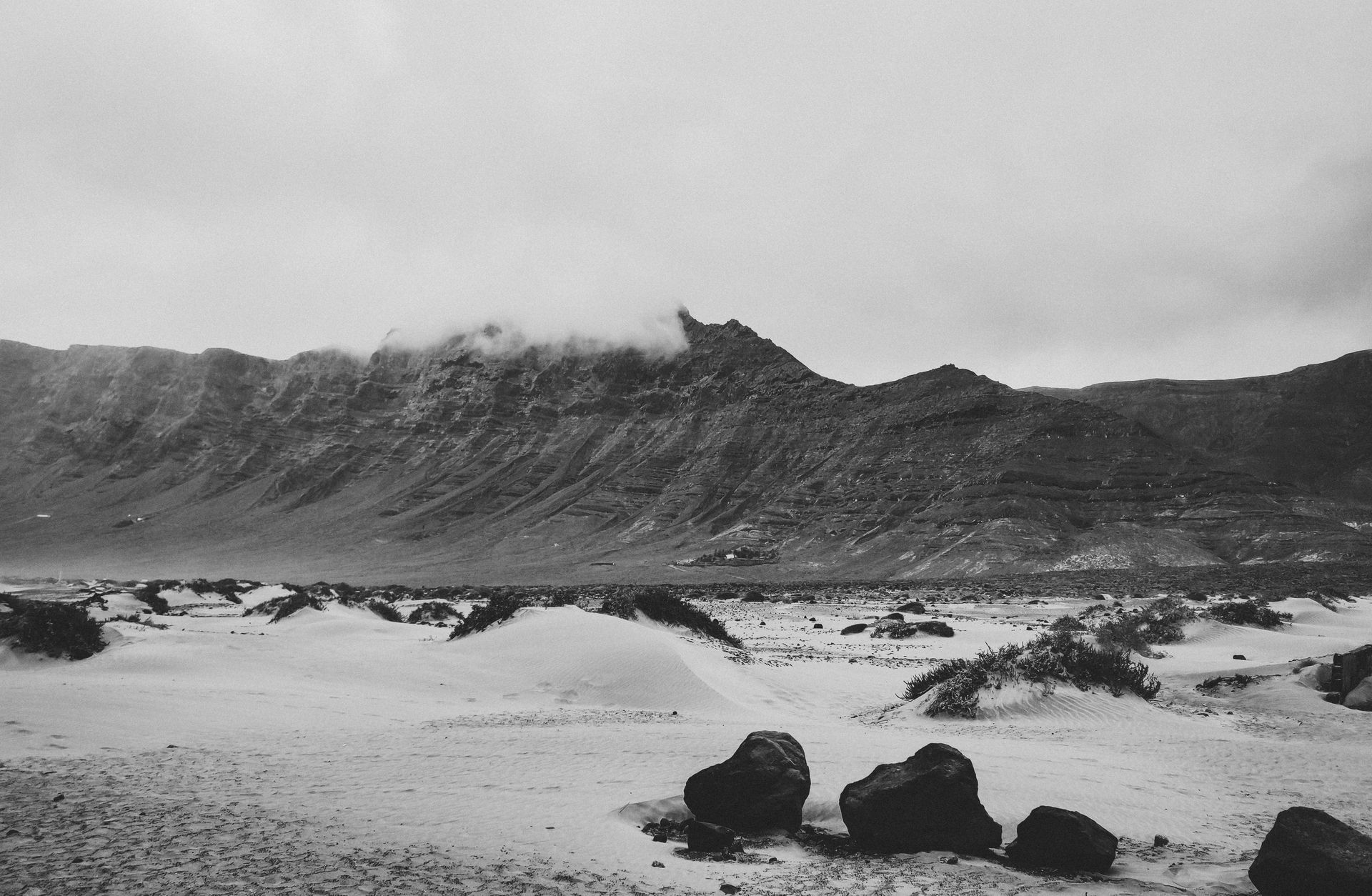
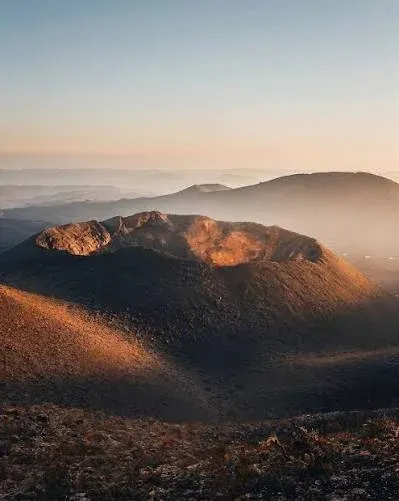
The beaches are genuinely beautiful and also genuinely not the point. Lanzarote's identity comes from a stranger mix: black volcanic soil, whitewashed houses, dry-stone walls, goat cheese, music in village squares and buildings that seem to grow directly out of lava rather than sit on top of it.
That is why visitors who only stay inside resort zones often leave with half the picture. The culture here is not loud in the way some destinations are loud. It is quieter, drier, more practical and more rooted in the land. You see it in the way villages are built low against the wind. You taste it in dishes that look simple but come from a difficult landscape. You feel it in fiestas where the whole village seems to come outside at once.
The quickest way to understand Lanzarote is to spend one day away from the resort coast. Visit a village, eat lunch somewhere local, then follow a self-guided route through a Manrique site, La Geria or a small evening event.
César Manrique: The Reason the Island Looks This Way
You cannot talk about local culture in Lanzarote without talking about César Manrique. He was not just an artist who made a few attractions. He helped shape how the island presents itself to the world.
His whole idea was that Lanzarote should not try to hide or fight its volcanic landscape. Work with it instead. Which sounds obvious until you realise how many places do not. That is why places like Jameos del Agua, Mirador del Río, Jardín de Cactus and the Fundación César Manrique feel so particular. They are not just things to visit. They are lessons in how Lanzarote sees itself: lava, light, white walls, green plants, curves, silence, sea views and restraint.
His influence can also be felt in the island's long-standing preference for low-rise buildings, white architecture and a more restrained visual identity. You do not need to be an art expert to enjoy his work. You just need to notice how rarely anything feels accidental.
A good Lanzarote audio guide helps at Manrique sites because the buildings make far more sense when you understand the thinking behind them. Without context you see beautiful places. With it you see an island-wide idea.
Teleclubs: Where Village Life Still Feels Real
A teleclub is one of the best windows into everyday Lanzarote. Originally connected to village social life and shared television, many teleclubs now work as informal local restaurants or community-style bars. They are not polished tourist dining rooms. That is the point.
You go for simple food, local prices, busy tables, families, older residents, workers on lunch breaks and the feeling that the village still uses the place. The menu depends on the teleclub but you might find chickpea stew, goat meat, grilled fish, ropa vieja, croquettes, papas arrugadas, mojo and local cheese. The best teleclubs are not trying to perform authenticity. They are just getting on with lunch. For visitors, that can be genuinely refreshing.
If a teleclub is busy with locals, that is usually a good sign. Go slightly before the Spanish lunch rush if you want a table without waiting.
Local Food: Simple, Honest and Better Than It Sounds
Lanzarote food is not about complicated presentation. It is about good products, direct flavours and dishes that make sense in this landscape.
The classics are papas arrugadas with mojo, goat cheese, fresh fish, stews, chickpeas, lentils, rabbit and local wine from La Geria. On paper some of this can sound plain. On the island it works. Papas arrugadas are salty, wrinkled and genuinely addictive things that taste better with green or red mojo than they have any right to. Goat cheese can be fresh, grilled, smoked or served with local jams. And then there is La Geria.
Vines grow in black volcanic ash, protected by small stone walls from the wind. It is one of the most visually distinctive wine landscapes in Europe and it explains a lot about the island's personality: practical, beautiful and slightly impossible-looking. This is where self-guided exploring works especially well. Stop at a bodega, drive through the landscape, let the day move at your own speed.
Fiestas: When the Island Comes Outside
A Lanzarote fiesta is not something that has been designed for you. It might include music, food stalls, dancing, children running around at midnight, families at plastic tables and a band playing considerably later than anyone announced.
Some fiestas are well-known. Others are small village events that barely register outside the municipality. Both matter. The important thing is that fiestas show Lanzarote as a living place rather than a holiday setting. Patron saint days, summer festivals, romerías, music nights and food events all create moments when the island becomes more social and more visible.
Many visitors miss local events because they only check international travel platforms. The events section on VidodoGuide helps surface what is actually happening on the island during your stay, which makes it considerably easier to find a fiesta, market or concert at short notice.
San Juan: Fire, Summer and Letting Go
San Juan is one of the most atmospheric nights of the year in Lanzarote. Celebrated on the night of 23 June into 24 June, it is associated with fire, summer and renewal. In different parts of the island you may find bonfires, music, family gatherings or local rituals connected to the sea.
The point is not only the spectacle. It is the feeling of a seasonal threshold: old things burned away, summer opening properly, people gathering outdoors after dark. Haría is especially known for its San Juan traditions, including the Quema de Facundo and the Danza del Fuego. Other municipalities have their own versions. Programmes change each year so always check local listings before planning your evening.
For San Juan, stick to organised public celebrations and follow local safety rules about bonfires. Not every fire you see on a beach is an open tourist event.
Village Life: The Lanzarote You Miss from the Resort Road
Lanzarote's villages are not dramatic in an obvious way. That is why they are easy to overlook. But spend time in places like Teguise, Haría, San Bartolomé, Yaiza, Tinajo, Tao, Mozaga or Mácher and the island becomes more human.
You notice the rhythm: quiet mornings, long lunches, windy afternoons, squares that come alive later, cafés where everyone seems to know each other. This is also where Lanzarote's culture feels least packaged. A teleclub lunch, a village market, a small church square or a fiesta poster on a wall can tell you more than another list of top-ten attractions.
How VidodoGuide Helps You Experience This Side of Lanzarote
Lanzarote culture is not in one museum or one old town. It is scattered across villages, teleclubs, wine roads, evening events and places you would drive straight through without knowing what you were missing. That is the problem VidodoGuide actually solves.
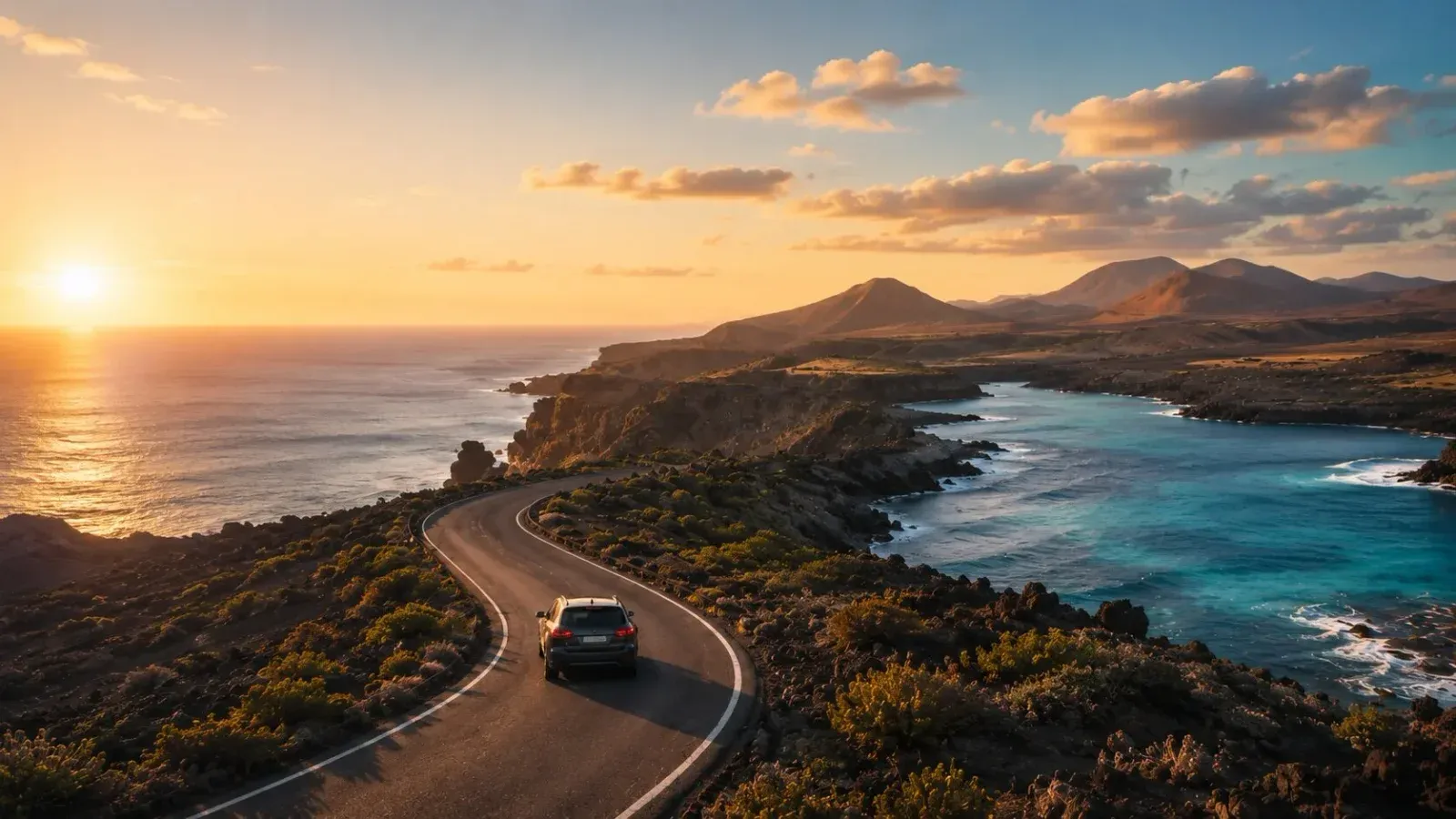
VidodoGuide gives you GPS audio stories that trigger as you drive, self-guided Lanzarote routes through the places most visitors miss and local event information so you are not just driving from one pin on a map to another. Use it for a Manrique route in the north, a La Geria wine drive, a food-and-village day inland or to check what local events are happening during your stay.
It is not a replacement for actually being somewhere. It is the thing that stops you driving through the most interesting part of La Geria without realising it. Download VidodoGuide free on the App Store or Google Play before you land.
Frequently Asked Questions
What is Lanzarote culture known for?
The volcanic landscape, César Manrique, local food, teleclubs, village fiestas, wine from La Geria and the way the island still feels like somewhere people actually live rather than somewhere that exists entirely for visitors.
What are teleclubs in Lanzarote?
Village social spaces that often work today as local bars or informal restaurants. A good teleclub is busy with locals, serves simple island food and does not try too hard to impress you. That is exactly why they are worth finding.
Why is César Manrique important in Lanzarote?
He spent nearly thirty years helping Lanzarote figure out how to build things without ruining what was already there. Jameos del Agua, Mirador del Río, Jardín de Cactus and the Fundación are the obvious examples. The less obvious one is that the whole island looks the way it does partly because of decisions he pushed for about buildings, height limits and advertising.
What food should I try in Lanzarote?
Papas arrugadas with mojo, local goat cheese, fresh fish, octopus, chickpea or lentil stews, rabbit and wine from La Geria. Order what the teleclub recommends. That is usually the right answer.
When is San Juan in Lanzarote?
The night of 23 June into 24 June. Expect fire, music and local gatherings. Check each municipality's programme because events change every year and the best ones are not always the most advertised.
Can tourists go to local fiestas in Lanzarote?
Yes, most public fiestas are open to everyone. Be respectful, follow local rules, buy from local stalls where possible and remember these are community celebrations first.
How can VidodoGuide help with Lanzarote culture?
VidodoGuide gives you GPS audio stories, self-guided routes and local event information. It is useful for Manrique sites, La Geria drives, village days and finding out what is actually happening on the island while you are there.
Is Lanzarote culture easy to experience as a tourist?
Yes. Leave the resort for one day. Eat somewhere local, find a Manrique site, check what is on in the evening. You do not need to speak Spanish or have anything booked. You mostly just need a hire car and to not go back to the pool at two in the afternoon.