The Short Version
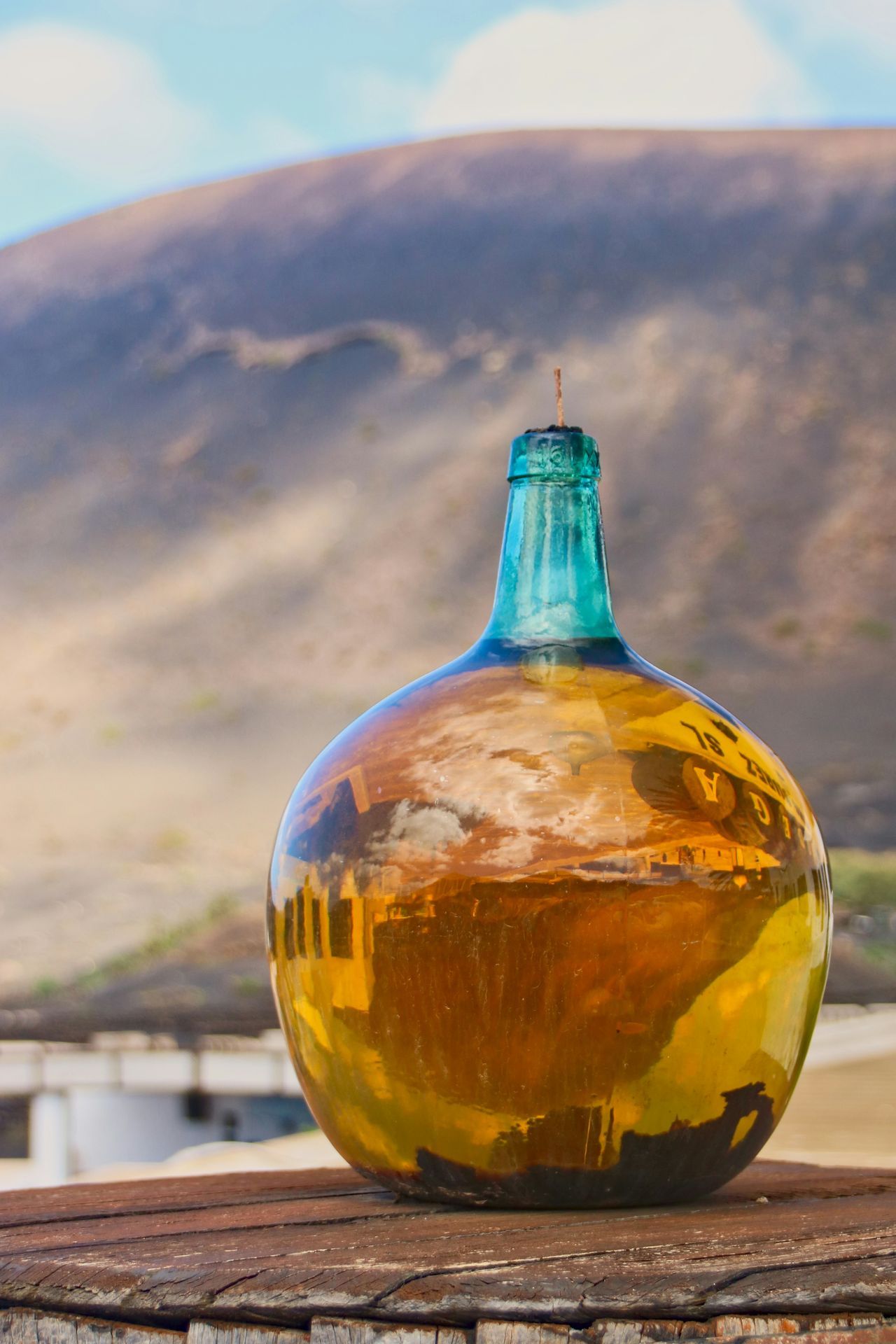
Lanzarote wine tastes different because the vines grow in volcanic ash called picon or rofe, which retains moisture in a place that gets almost no rain and a lot of wind. The most famous local grape is Malvasia Volcanica, which makes fresh, mineral white wines that taste like nowhere else. The vineyards look extraordinary because they are: one vine, one hollow dug by hand into black volcanic ground, one curved stone wall called a zoco to protect it from the wind. Repeated thousands of times across La Geria until the landscape looks like something between agriculture and land art.
You did not come to Lanzarote expecting to think seriously about wine. Most people do not. And then they drive through La Geria and start reconsidering that position.
Why Lanzarote Wine Is So Unusual
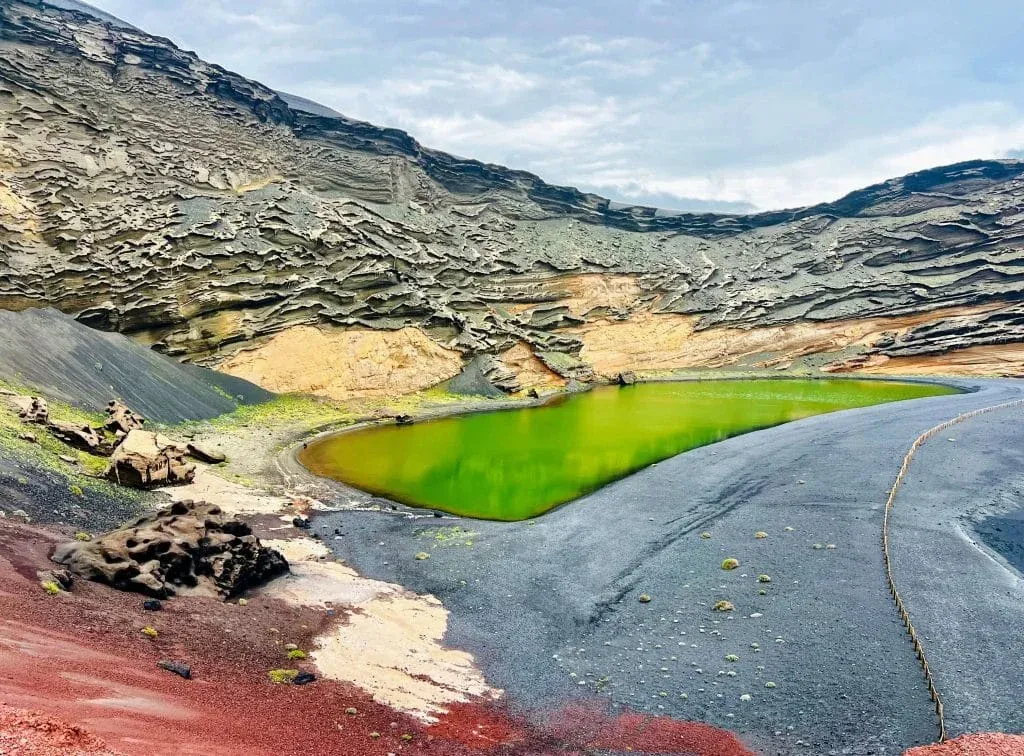
The eruptions of 1730 to 1736 covered large parts of the island in volcanic material. That should have been the end of farming in those areas. Instead the people here noticed that the volcanic ash retained moisture from the air overnight, which in a place with almost no rain is an extremely useful discovery. So they adapted. They dug individual hollows into the black ground, planted a vine in each one, and built low stone walls around them for wind protection.
The result is La Geria Lanzarote, one of the most visually distinctive wine regions in Europe and the reason Lanzarote wines have a minerality and freshness that connects very directly to the ground they come from. The landscape created the farming method. The farming method created the wine. The wine tastes of the place. That is a tighter loop than most wine regions can claim.
Even if wine is not your thing, drive through La Geria. It is one of the most beautiful landscapes in Lanzarote and very easy to combine with Timanfaya or El Golfo. The scenery alone is worth the detour.
Malvasia Volcanica: Start Here
Malvasia Volcanica is the grape most visitors should try first and the one most associated with Lanzarote wine. Dry Malvasia Volcanica is fresh, aromatic and mineral, with citrus, stone fruit or tropical notes depending on the winery. Sweet Malvasia is richer, honeyed and more dessert-like. There is also semi-sweet and sparkling. The range is wider than people expect from a single grape variety.
If you only try one thing in La Geria, make it the dry white. It is the clearest expression of what volcanic wine Lanzarote actually means.
The Other Grapes Worth Knowing
Diego
Diego, also known as Vijariego, is less famous than Malvasia Volcanica but worth looking for. It makes fresher, more structured white wines with good acidity, green apple, pear, citrus and mineral notes. For visitors who already know their way around Spanish white wine, Diego is often the most interesting Lanzarote grape variety to explore.
Moscatel de Alejandria
Moscatel de Alejandria is used mostly for sweet and dessert wines. Floral, ripe, honeyed. Very good with local goat cheese or at the end of a slow evening. If you are the kind of person who says they do not like sweet wine and then finishes half the bottle, Moscatel is probably why.
Listan Negro
Lanzarote is better known for white wine, but it does make red. The main red grape is Listan Negro, which produces lighter wines than the big mainland Spanish reds. Red fruit, soft tannins, mineral and occasionally slightly smoky. If you arrive expecting Rioja weight you will be surprised. That is not necessarily a problem.
What Lanzarote Wines Actually Taste Like
The dry whites are where the volcanic character is most obvious. Fresh and citrusy, with a mineral edge and sometimes a faint saltiness that comes from the Atlantic influence on the vines. Nothing heavy, nothing overworked. The kind of wine that makes sense the moment you are sitting outside in Lanzarote light with fish in front of you.
Semi-sweet whites are softer and fruitier, easier going if you want something that does not require much thinking. Sweet Malvasia and Moscatel go full honey and ripe fruit and flowers and are best at the end of something rather than the beginning. The reds are lighter than most people expect from a Spanish wine, fruity and mineral and with that volcanic character running quietly through all of it. Sparkling Malvasia Volcanica is fresh and bright and the kind of thing you open at noon and feel fine about.
Canary Islands wine from Lanzarote has a character you cannot get anywhere else, which sounds like marketing language and is actually just true.
What to Drink First, Second and Third
First: dry Malvasia Volcanica. It is the classic introduction to Lanzarote wine and the one that makes the most sense of everything else. Second: Diego, if you want to understand how different the grape varieties are from each other. Third: sweet Malvasia or Moscatel at the end of the evening with something local on the side.
If you visit a bodega, ask for a tasting flight rather than ordering one glass. It is the easiest way to understand how much range Lanzarote wines actually have.
La Geria: Why You Go
La Geria is the heart of Lanzarote wine tourism and also one of the most extraordinary landscapes on the island. Black volcanic ash, green vines, stone walls, volcanoes in the distance. Several bodegas are close to the main road and easy to stop at. Some feel more traditional and quieter. Others are more set up for visitors.
Good bottles start at around twelve to eighteen euros. Special bottles cost more. Either way, buying wine directly from La Geria and taking it home is one of the better decisions you can make at the end of a holiday.
Frequently Asked Questions
Q: What is the most famous wine in Lanzarote? A: Malvasia Volcanica, especially the dry white from La Geria. It is what most people mean when they talk about Lanzarote wine and the best place to start if you have not tried it before.
Q: Why are Lanzarote vineyards black? A: Because the vines grow in volcanic ash called picon or rofe, left behind by the eruptions of 1730 to 1736. It looks dramatic and it is also the reason the wines taste the way they do. The ash retains moisture overnight, which is how farming survived in a place with almost no rain.
Q: Is Lanzarote wine good? A: Yes, and better than most people expect before they try it. Fresh whites, sweet wines, light reds, sparkling. All of it with a mineral volcanic character that is specific to this island and not something you can get anywhere else.
Q: What wine should I bring home from Lanzarote? A: Dry Malvasia Volcanica is the most representative. Sweet Malvasia or Moscatel if you want something that travels well as a gift. Both are easy to find in La Geria bodegas and worth the bag space.
Q: Can you visit wineries in Lanzarote? A: Yes. La Geria is where most of the wine tourism happens and several bodegas sit right on the main road. Some do tastings, some sell directly. Check opening times before you go because they vary.
Q: Is Lanzarote wine expensive? A: Not especially. Simple bottles from around twelve to eighteen euros. Wines made in conditions this unusual at that price point are genuinely good value.
Q: What food goes well with Lanzarote wine? A: Dry whites with fish, seafood and local goat cheese. That combination specifically is one of the better things you can eat on this island. Sweet wines at the end of a meal with almonds or mature cheese. Reds with anything slow-cooked and local.
To Wrap Up
Lanzarote wines are not just local wine. They are part of the island story. The eruptions created the ground. The ground forced a new way of farming. The farming method produced a landscape unlike anywhere else in Europe. And the landscape produces wines that taste of exactly where they come from.
Try the Malvasia Volcanica. Drive through La Geria. Buy something to take home. And if someone asks you later where the best wine you ever had came from, do not be surprised if the answer is a volcanic island in the Atlantic that you nearly skipped for another beach day.