Quick Answer
Las Grietas is a series of narrow volcanic ravines on the slopes of Montaña Blanca, beside the LZ-35 between Tías and San Bartolomé. Access restrictions have been in place since late 2025 following a geological assessment that identified unstable sections and falling-rock hazards. Some areas are cordoned off. No standard entrance fee. No conventional facilities. Around 10 to 15 minutes from Puerto del Carmen by car. Check current access before you go and never enter restricted sections.
What Are Las Grietas?
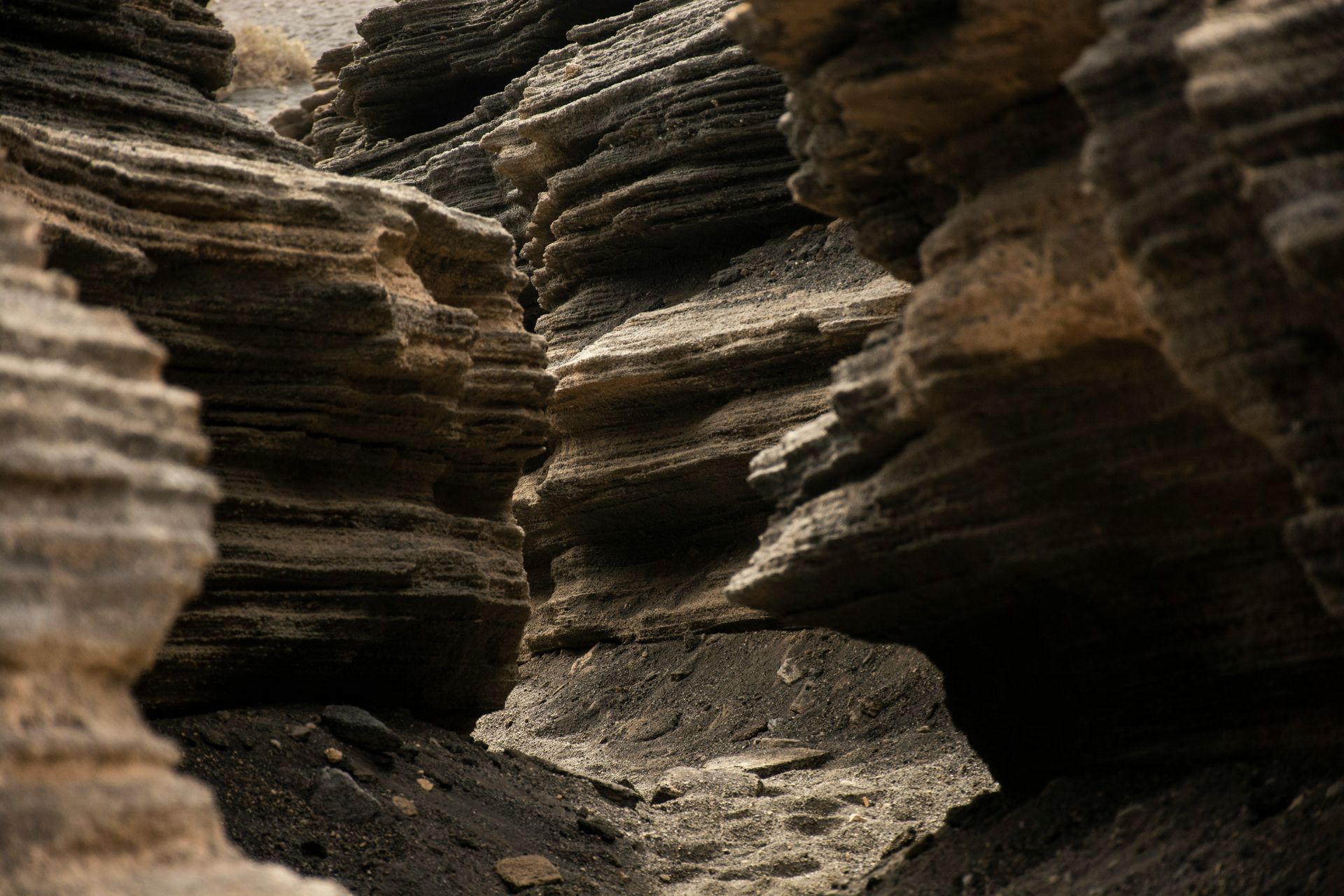
Not what most people assume. Las Grietas are not lava tubes or cracks formed by cooling lava. According to Spain's Geological and Mining Institute, they are narrow ravines created when powerful rainwater erosion carved channels into the volcanic slopes of Montaña Blanca. The eruptions deposited layers of ash and volcanic fragments. Water did the rest.
Some walls exceed four metres in height. The narrow winding shapes and the layered rock visible inside the ravines give you an unusually clear picture of how Lanzarote's volcanic landscape was built up and then gradually reshaped. It is the kind of place that makes more sense once you understand how it was formed.
Access Restrictions: What You Need to Know Before You Go
Las Grietas is subject to access restrictions. Some hazardous sections are cordoned off. Do not enter restricted areas regardless of what other visitors are doing.
Tías Town Council began installing warning signs and restricting access to hazardous sections in December 2025, following a geological safety assessment that identified unstable areas and a significant risk of falling volcanic material. Further visitor-management measures including controlled visits have been under consideration.
Do not assume the entire site is open. Check the latest announcements from Tías Town Council before travelling. Once there, follow the current signs and never cross barriers. Some of the most recognisable photographs of Las Grietas online were taken in areas that may now be restricted.
Parking
Parking arrangements changed in July 2025 when the Cabildo de Lanzarote completed roadside safety improvements on the LZ-35, including barriers to prevent dangerous parking. Older travel guides showing roadside parking directly beside the formations are no longer reliable.
Use only legally accessible parking areas. Respect all road signs. If you cannot find somewhere safe and legal to park and reach an authorised route, postpone your visit. That is not an exaggeration.
What You Can See
The ravines
From permitted areas, the winding passages and high volcanic walls are genuinely striking, particularly when sunlight hits different sections at different times of day. Early morning gives softer light for photographs. Late afternoon creates stronger shadows across the rock.
The layers
Look closely at the visible rock inside the ravine walls. The different colours and textures show deposits from different phases of Montaña Blanca's formation. Later erosion exposed them. It is a clear and accessible way to understand Lanzarote's geological story without needing any prior knowledge.
The most impressive photograph is not worth entering a restricted area. Follow the designated routes and work with what is accessible. The permitted sections are interesting enough.
Safety
Las Grietas is not an ordinary walking trail. A geological assessment identified unstable sections and a real risk of falling volcanic material. The access restrictions exist because of that assessment, not because the authorities are being overly cautious.
Stay within permitted areas. Do not stand beneath unstable walls. Do not climb onto the edges of the ravines for photographs. Wear sturdy closed-toe shoes on uneven volcanic ground. Bring water and sun protection. Avoid visiting during or immediately after heavy rain.
How to Get There
Las Grietas is on the slopes of Montaña Blanca, beside the LZ-35 between Tías and San Bartolomé. From Puerto del Carmen, approximately 10 to 15 minutes by car depending on your starting point. Search Las Grietas, Montaña Blanca when navigating, as other places on Lanzarote share similar names.
What to Combine It With
La Geria is the natural pairing. It is close, also volcanic and shows a completely different story from Las Grietas. One landscape is the result of erosion. The other shows how people adapted volcanic terrain for agriculture. The contrast is worth seeing in the same afternoon.
Frequently Asked Questions
Where is Las Grietas in Lanzarote?
On the slopes of Montaña Blanca, beside the LZ-35 between Tías and San Bartolomé. Around 10 to 15 minutes from Puerto del Carmen by car.
Is Las Grietas free?
There is no standard admission fee. Access restrictions apply though, so check current arrangements before travelling.
Is Las Grietas open in 2026?
Partially. Access restrictions were introduced in December 2025 following a geological safety assessment. Some sections are cordoned off. Check the latest information from Tías Town Council before visiting.
How long does a visit take?
Allow 30 to 60 minutes if permitted access allows. Your visit may be shorter if restrictions limit where you can go.
Is it safe to visit Las Grietas?
The permitted areas can be visited safely if you follow the current signs, stay on designated routes and wear appropriate footwear. Do not enter restricted sections. A geological assessment identified real falling-rock hazards in certain areas.
Can you visit Las Grietas with children?
The site has uneven ground and identified falling-rock hazards. Keep children close and consider the current access restrictions carefully before going. If safe access cannot be confirmed, choose a different attraction.
How were Las Grietas formed?
Rainwater erosion carved narrow ravines into layers of volcanic material on the slopes of Montaña Blanca. Not lava tubes, not cooling-lava cracks. Water working on volcanic deposits over a long time.
To Wrap Up
Las Grietas is worth visiting if you approach it correctly. The ravines are visually unusual and the geology is genuinely interesting once you understand what you are looking at. The access restrictions exist for real reasons and the parking situation has changed.
Check current access before you go. Park legally. Follow the signs when you arrive. The permitted sections will give you enough.