13.09
Things to Do in Lanzarote at Night: 20 Ideas Beyond the Bars
Lanzarote does not suddenly become boring when the sun goes down. Most people just do not know where to look.
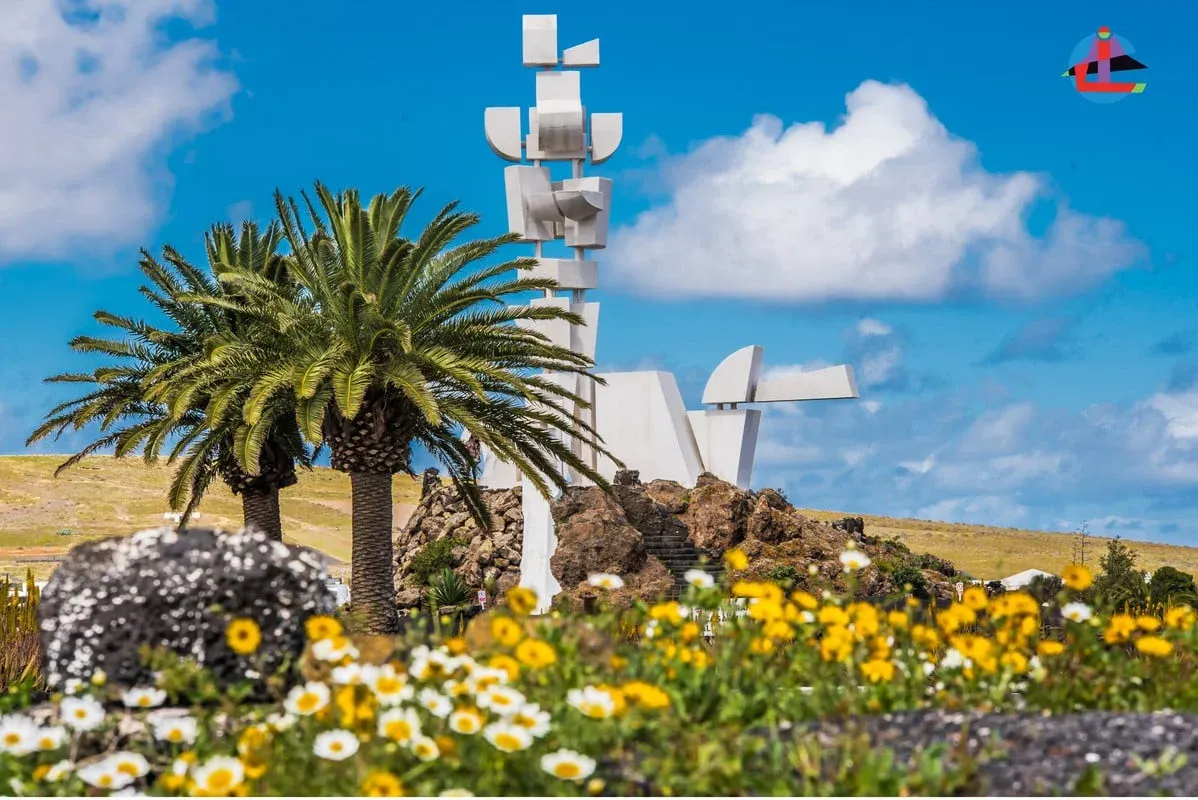
Perched in the heart of the island, Monumento al Campesino is one of Lanzarote’s most heartfelt homages to its rural roots. Designed by César Manrique, the monument sits on a gentle rise surrounded by sweeping views of fields, volcanoes, and stone walls. Behind it, the museum and cultural centre show how the island’s campesinos (farmers) lived: the tools they used, the foods they grew, the traditions they kept alive.
Perched in the heart of the island, Monumento al Campesino is one of Lanzarote’s most heartfelt homages to its rural roots. Designed by César Manrique, the monument sits on a gentle rise surrounded by sweeping views of fields, volcanoes, and stone walls. Behind it, the museum and cultural centre show how the island’s campesinos (farmers) lived: the tools they used, the foods they grew, the traditions they kept alive.
Designed by artist César Manrique and built with master craftsman Jesús Soto in 1968.
Made from old water tanks of fishing boats, iron, and concrete.
Situated at an important crossroads in the geographical center of the island (San Bartolomé municipality)
It represents a traditional farmer with draft animals like a donkey and dromedary, celebrating local resilience in cultivating volcanic soil.
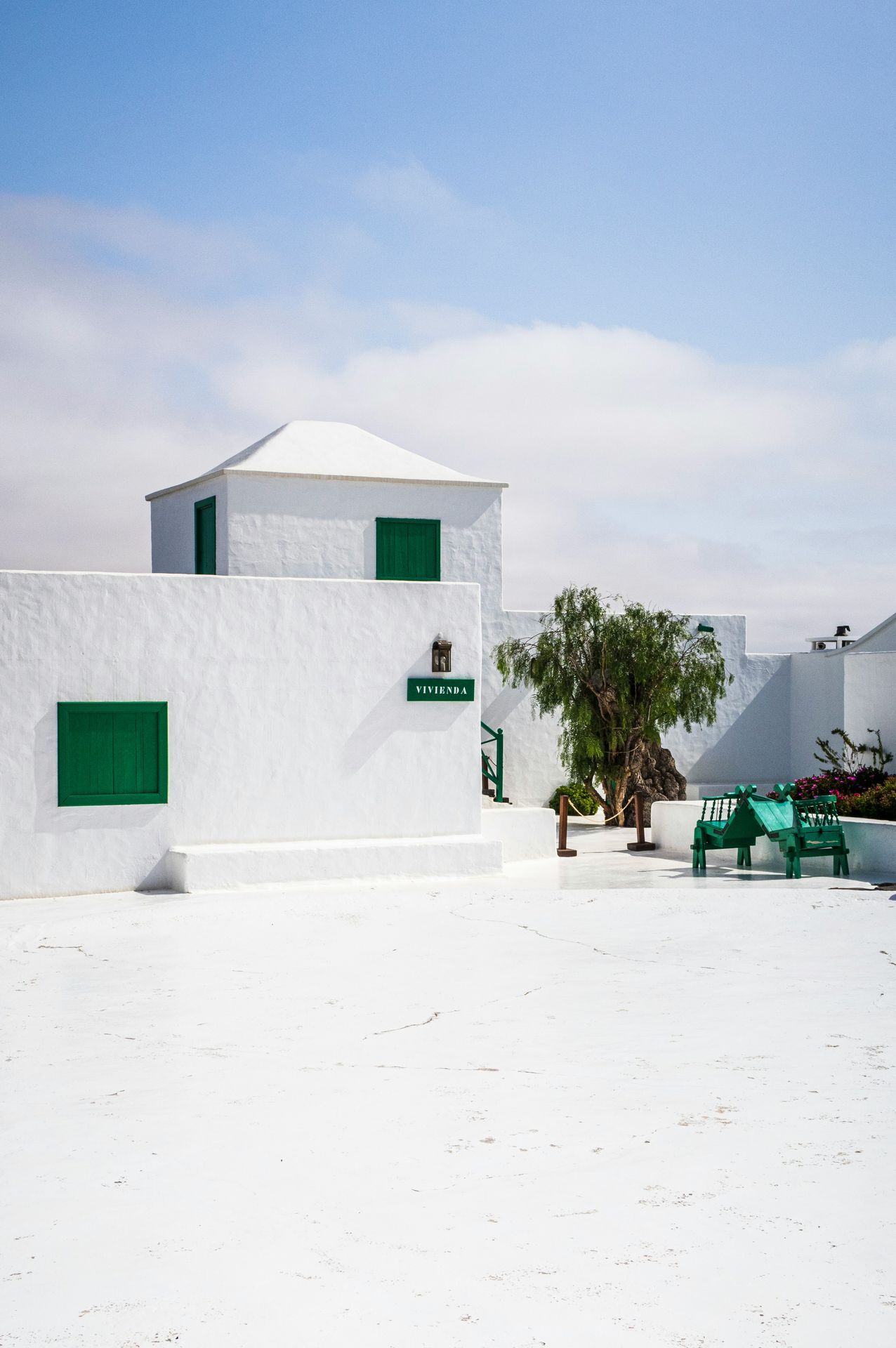
The surrounding whitewashed and green-trimmed complex features traditional crafts, local architecture, and a regional restaurant.
Open Monumento al Campesino in Vidodo to see the location, nearby places and related experiences.
Perched in the heart of the island, Monumento al Campesino is one of Lanzarote’s most heartfelt homages to its rural roots. Designed by César Manrique, the monument sits on a gentle rise surrounded by sweeping views of fields, volcanoes, and stone walls. Behind it, the museum and cultural centre show how the island’s campesinos (farmers) lived: the tools they used, the foods they grew, the traditions they kept alive.