21.09
Discover Teguise Market: A Gem in Lanzarote
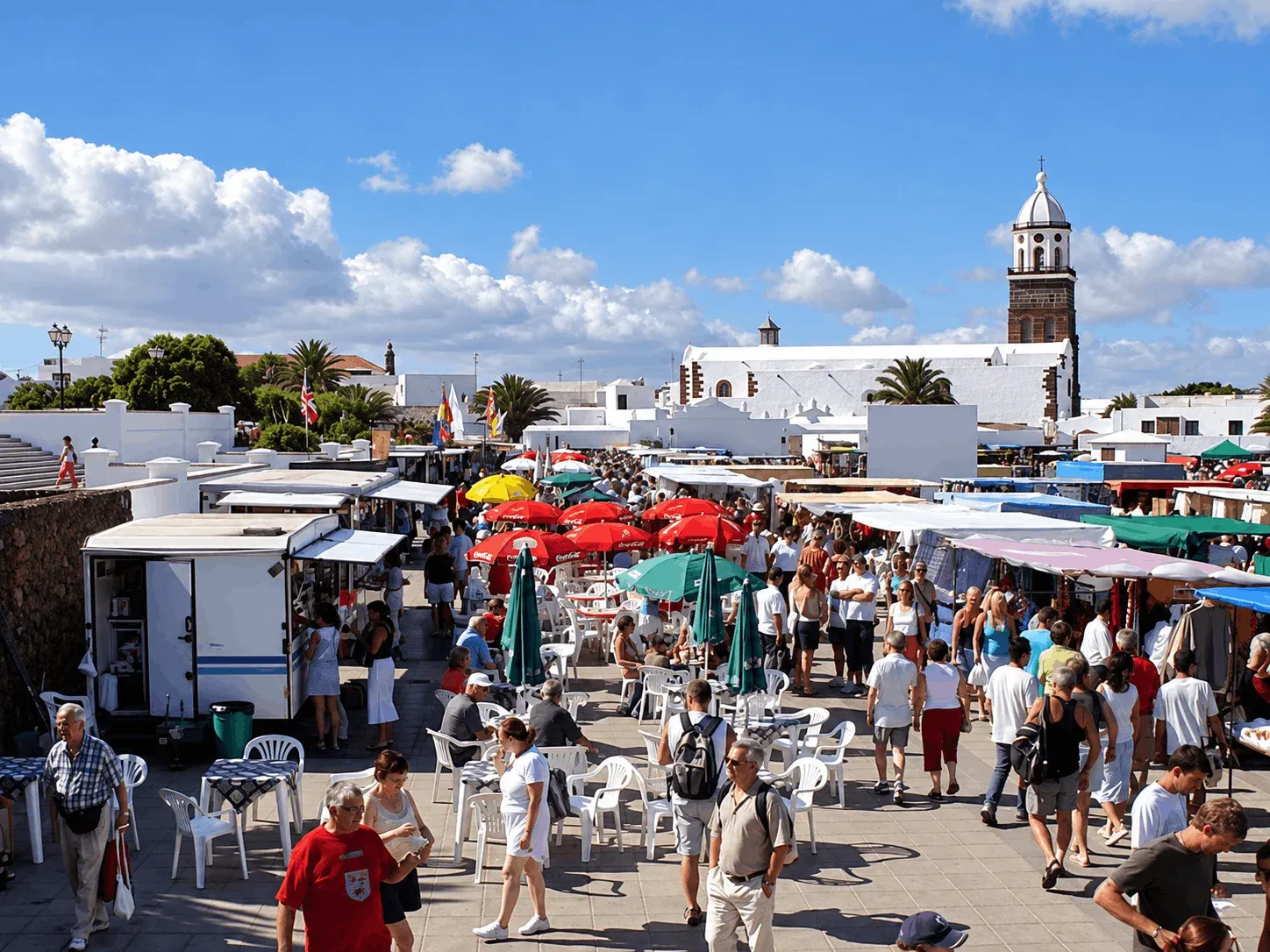
Teguise Market is the largest Sunday market in the Canary Islands, operating from 9 AM to 2 PM in the town of Teguise.
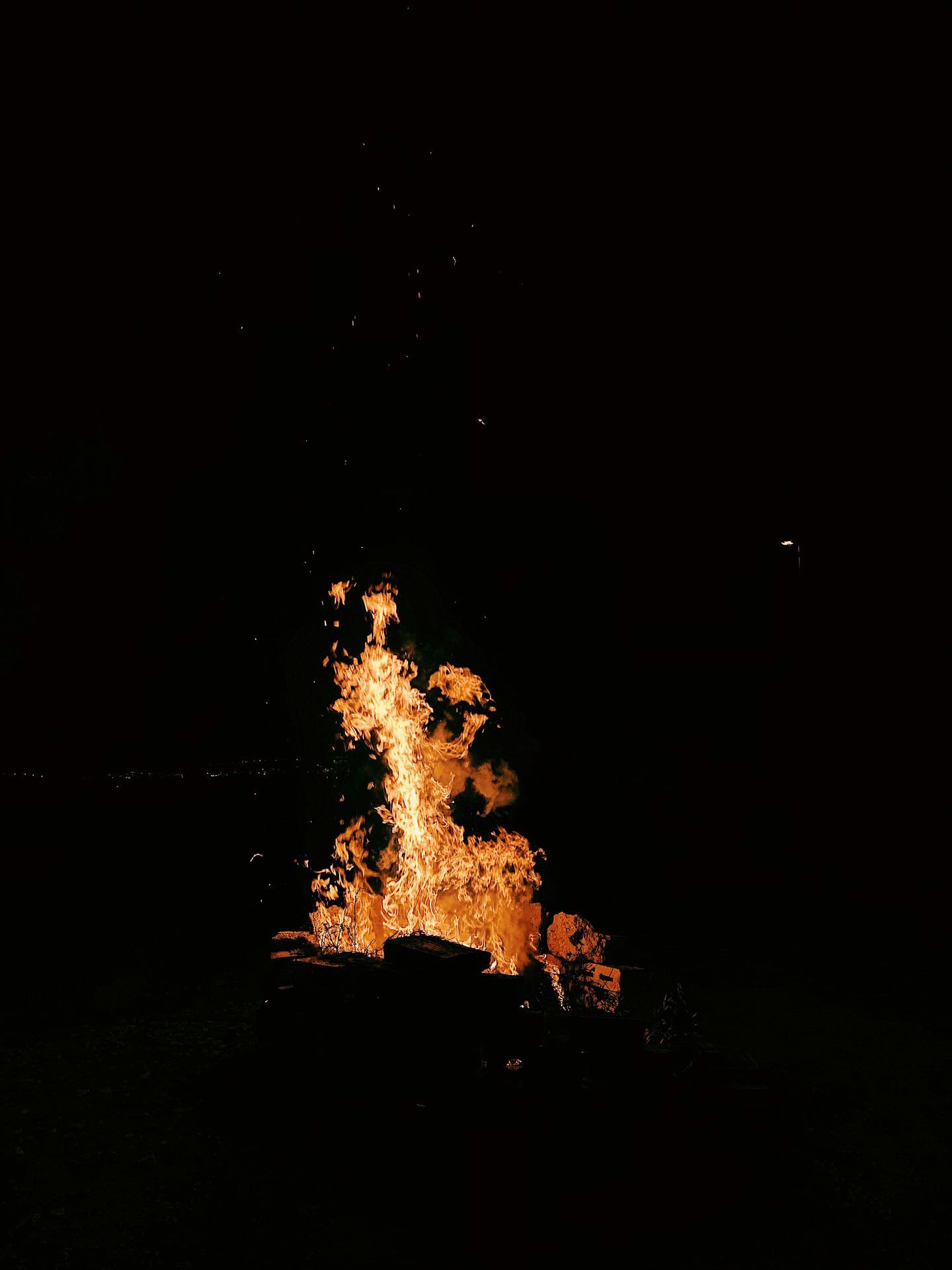
Quick Answer San Juan in Lanzarote is celebrated on the night of 23 June with bonfires, music, beach gatherings, local fiestas and summer traditions going back a long time. The most distinctive local version is in Haría, where the night can include the Quema de Facundo, the Danza del Fuego, fireworks and a verbena. Coastal areas including Playa Honda, Arrecife and Puerto del Carmen often have their own celebrations, but programmes change every year so check the current municipal listings before making a plan around it.
What Is Noche de San Juan? The night before the feast day of Saint John the Baptist on 24 June. Across Spain it is one of the most atmospheric nights of the summer calendar: fire, water, music and the idea that you are leaving something behind and starting fresh. The bonfire is the main symbol. People gather around the flames, watch fireworks, stay out late and in some coastal areas go to the sea at midnight. Traditions vary from place to place but the feeling is usually the same: the feeling that something has been left behind and something else has properly started. In big cities like Alicante, San Juan is a major formal event with monumental bonfires and parades. In Lanzarote it is more local and relaxed: community celebrations, neighbourhood bonfires, beaches and the kind of evening that does not need to announce itself.
What Happens in Lanzarote for San Juan? Hogueras across different towns, villages and coastal areas. The exact programme changes every year and is handled by each municipality separately, which matters more than most people realise. Not every beach has an official bonfire. Not every visitor can just show up and light their own fire. Some councils publish rules about where bonfires can go, who is responsible for them, what safety distances apply and what needs to happen afterwards. What you might find at an organised event: bonfires on or near beaches, live music, fireworks, food stalls, local barbecues, family activities, village fiestas and a community tradition that has been going on long before it appeared in visitor guides. For visitors, the easiest version of San Juan is going to an organised municipal event rather than trying to create your own beach bonfire. The atmosphere is better and nothing gets confiscated.
Haría: The Most Distinctive Version on the Island If you want the San Juan that feels most specifically Lanzarote, go north to Haría. The town celebrates its Fiestas Patronales de San Juan Bautista across several days with cultural, religious, musical and traditional events, and the highlight is the Noche del Fuego. That night can include the Quema de Facundo, the Danza del Fuego, fireworks and a verbena. The Quema de Facundo is one of those traditions that is difficult to describe without underselling it: instead of just lighting a bonfire, Haría turns the night into a performance with character, fire and community identity. The Diablos de Haría add a theatrical, slightly unsettling edge that makes the whole thing feel genuinely different from a standard summer party. For visitors who want something more memorable than another beach gathering, Haría is worth the drive.
Playa Honda, Arrecife and the Coastal Options For visitors staying near the main resort areas, there are closer options. Playa Honda is one of the more family-friendly coastal celebrations and recent programmes have included children's activities, music, local gastronomy and a bonfire by the coast. Arrecife often celebrates around Playa del Reducto with music and a bonfire-style event near the beach. Puerto del Carmen and other resort areas may also have San Juan activity depending on the year. This is where checking the current programme really matters. Some years the most interesting evening is in one town. Other years it is somewhere completely different. The island's municipal calendars are not always easy to find in English, so searching in Spanish — Noche de San Juan Lanzarote 2026, hogueras Lanzarote junio — usually gives better results.
The Midnight Sea Thing In many coastal areas of Spain, San Juan involves water as well as fire. People go into the sea at midnight, wash their face, jump over waves or make wishes. The idea is the same as the bonfire: water cleanses, fire burns away the old, the new season begins properly. In Lanzarote you may see people close to the water at beach gatherings. If you want to join in, keep it sensible. The sea at night can be dark, windy and rough depending on conditions, and not every beach is safe for swimming after sunset. Stay close to shore, avoid rocky areas and do not go in if it looks rough. The ritual works just as well with your feet in the shallows.
Can You Light Your Own Bonfire? This is where it gets practical. Bonfire rules in Lanzarote are handled by local municipalities and councils may require permission, safety distances, a responsible adult, a designated location and proper extinguishing afterwards. In plain language: do not just turn up on a beach and start a fire. Go to an organised event, or if you are staying with local residents who are planning a neighbourhood bonfire, check that it has been done properly. This protects the beaches, the volcanic landscape, nearby homes and the people who have to clean everything up the next morning.
Practical Tips Check the current programme San Juan is always around 23 June but the exact times, locations and events change every year. Check council pages for Haría, Arrecife, San Bartolomé, Tías, Teguise or Yaiza before going anywhere. Arrive before the bonfire is lit If there is an official bonfire, get there early enough to find parking, understand the safe viewing area and enjoy the atmosphere before the main moment. Turning up at the climax and standing at the back is not the same thing. Bring a light layer Even in late June, Lanzarote evenings near the sea can be breezier than expected. Children and fire Children usually love the atmosphere but bonfires are still bonfires. Keep a proper distance and follow local instructions rather than deciding for yourself what counts as safe. Sort transport in advance If you are going to Haría, Playa Honda or Arrecife for a late-night event, decide before you leave how you are getting back. Do not leave that decision until midnight when everyone else is also trying to get home. Take your rubbish with you San Juan can create a lot of waste. The beaches look better the next morning if everyone takes their bottles and packaging when they go.
Is San Juan Worth Going to as a Tourist? Yes, if you enjoy local culture and do not need everything to be organised around you. San Juan is not a polished tourist show. That is exactly why it is interesting. It feels local, social and a little wild in the best way. The kind of night where you end up somewhere you did not plan to be, which is usually where summer actually begins. The best version for visitors is to choose one organised event, arrive early, watch respectfully and let the night do what it does. If you want the most local-feeling option, Haría. If you want something easier from the resort areas, Playa Honda or Arrecife. Either way, 23 June in Lanzarote is worth staying up for.
Frequently Asked Questions When is San Juan celebrated in Lanzarote? The night of 23 June, with the feast day of Saint John the Baptist on 24 June. What happens on San Juan in Lanzarote? Bonfires, music, beach gatherings, local fiestas and fireworks. The exact programme depends on the municipality and changes every year. Where is the best place to see San Juan in Lanzarote? Haría for the most distinctive experience, with the Quema de Facundo and Danza del Fuego. Playa Honda and Arrecife for easier options closer to the main resort areas. Can tourists join San Juan celebrations? Yes. Public events are open to everyone. Respect safety barriers, follow local rules and remember that many of these are community traditions rather than tourist shows. Are San Juan bonfires allowed on every beach? No. Rules vary by municipality and permission may be required. Do not light your own bonfire unless you know it is officially permitted. Is San Juan suitable for children? Organised events can be good for families, especially earlier in the evening. Keep children well away from bonfires and fireworks and follow the crowd sense of what counts as a sensible distance. Do people swim during San Juan? Some people go into the sea as part of the midnight tradition. Only do this where it is genuinely safe, the water is calm and you can see where you are going.
To Wrap Up San Juan is one of those nights that reminds you why being somewhere in person is different from reading about it. Fire on the beach, music somewhere in the background, the sea in the dark and the feeling that the whole island decided to be outside at the same time. It happens on 23 June every year. If you are in Lanzarote, it is absolutely worth staying up for.


 Keep exploring
Take your next discovery beyond the article. Find GPS audio routes, local events and places worth a stop — all in the Vidodo Guide app.
Explore in Vidodo Guide