Quick Answer
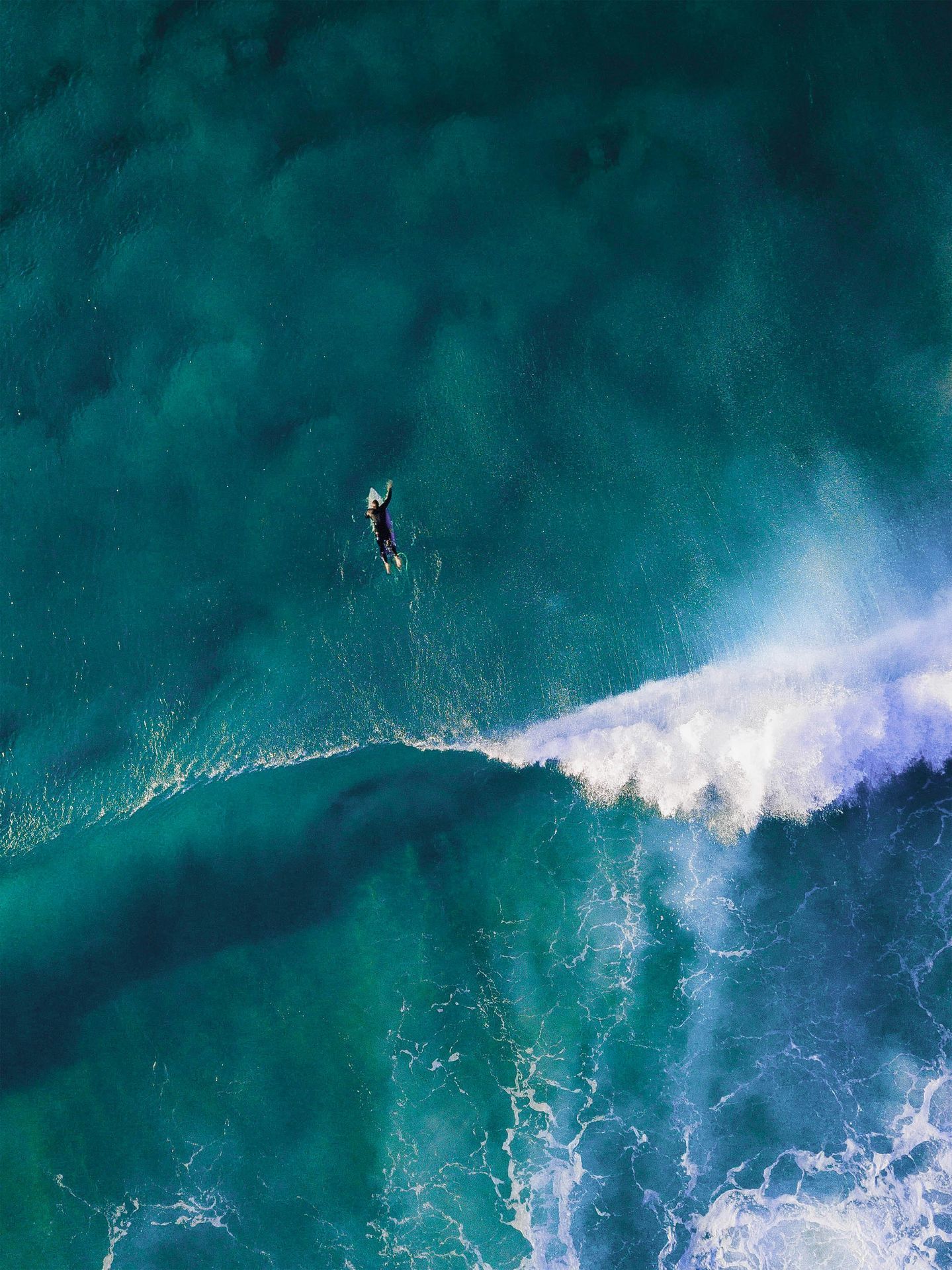
For beginners and improvers, Famara is the wave. Long, consistent, sandy-bottomed and with enough surf schools nearby that you will not have to look very hard for one. For experienced surfers who know what a reef break actually means, La Santa and El Quemao are the conversations worth having. For the full picture of Lanzarote surf without driving to the wrong beach at the wrong tide, read on.
Famara: Where Most People Should Start
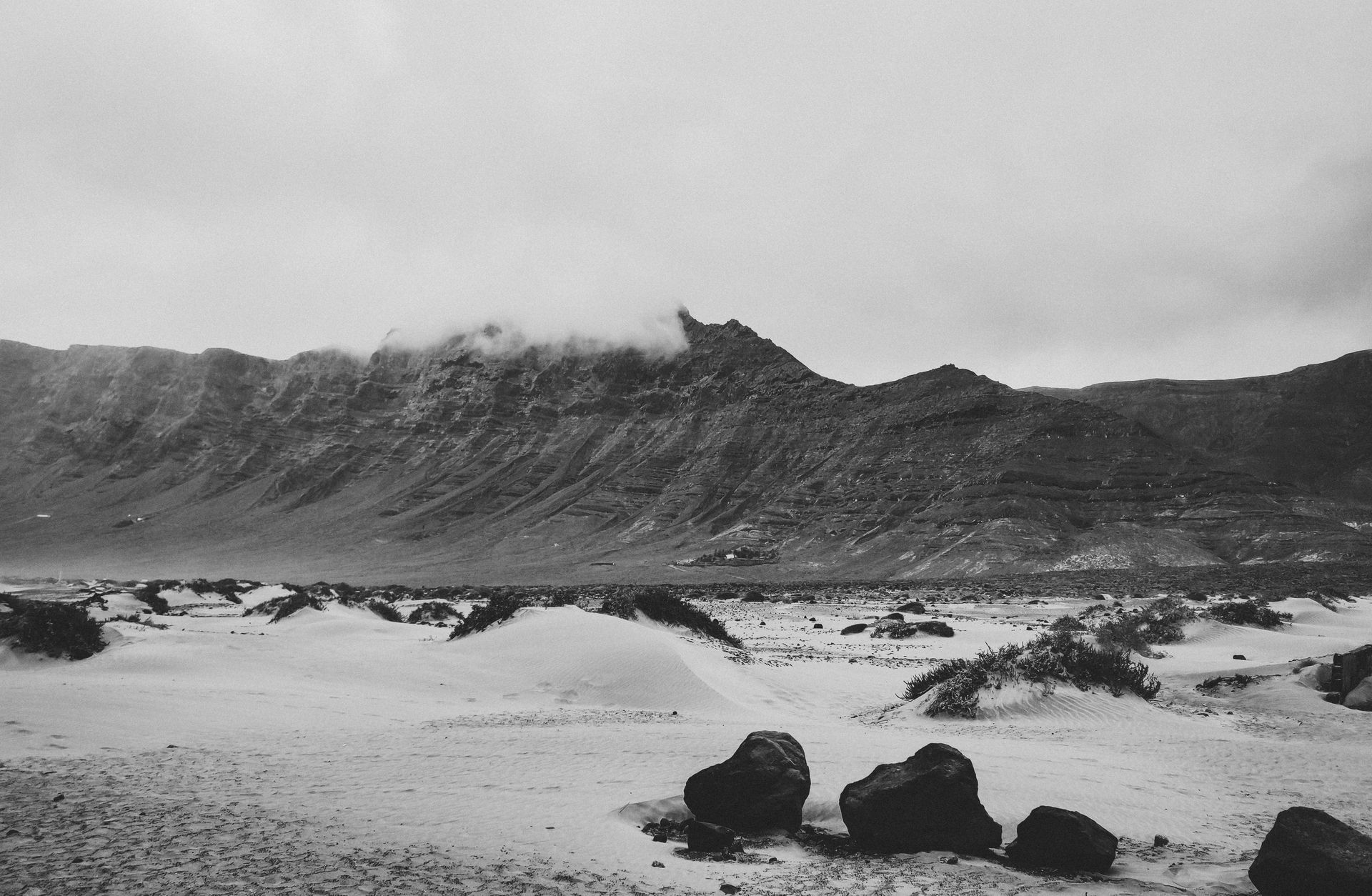
Famara is a long sweep of sandy beach on the north-west coast, under the Risco de Famara cliffs, facing the Atlantic. The waves are consistent, the bottom is sandy and the wind is almost always doing something. It is the most popular surf beach on the island for good reason and also genuinely beautiful in a dramatic, slightly windswept way.
For beginners this is the right beach. Surf schools operate here, lessons are available for all levels and the sandy bottom means that when things go wrong — which they will, this is surfing — you are not landing on reef. The conditions are not always easy but they are readable, and readable is what you want when you are still working out which end of the board is which.
For intermediate and experienced surfers, Famara has good days and very good days. The swell direction and wind can produce some excellent conditions. The beach break varies quite a bit along the length of the strand, so it is worth walking before you paddle rather than just getting in at the first point you reach.
Do not underestimate Famara when it is big. The waves look manageable from the car park and considerably less manageable once you are in the water. Check the forecast rather than the view.
La Santa: The Local Hub
La Santa is a small coastal village in the north-west that has been a surf destination long enough to feel genuinely local rather than touristy. The surf facilities are good, Club La Santa is well known as a sports resort in the area and the conditions around La Santa suit a range of levels depending on the day.
El Quemao, the serious reef break, is right here. More on that below. The area around La Santa is also home to a consistent surf community and the kind of local knowledge that does not appear in a guidebook. If you are spending time here rather than passing through, talk to people in the water and in the line-up. That is usually where the best information lives.
El Quemao: Not for Everyone and That Is Fine
El Quemao is primarily a left-hand reef break, though it also produces a right-hander on the same swell that some compare to Pipeline's Backdoor. It is heavy, shallow and breaks over lava. It is also one of the most visually spectacular waves on the island and the home of the Quemao Class, an invitational surf and bodyboard competition that has been running since 2015.
If you are an experienced surfer who regularly surfs reef breaks and knows what you are getting into, El Quemao on a good day is the kind of wave you remember. If you are not that person, El Quemao is one of the best surf-watching spots on the island and there is nothing wrong with that version of the day. The reef does not care about your self-assessment.
Go to El Quemao to watch even if you are not surfing it. On a good swell day the wave is extraordinary and the atmosphere around the spot when it is firing is worth the drive north on its own.
Other Spots Worth Knowing
Caleta de Famara
The village at the southern end of the main Famara beach. Slightly different wave characteristics from further up the strand. Worth checking if the main beach is crowded or the conditions are not working further north.
San Juan
A reef break over lava between Famara and La Santa. It is primarily a left-hander, powerful and unforgiving, and works best in winter when the swells are solid. Not a beginner alternative to Famara. Worth knowing about if you are at an intermediate to advanced level and want something different from the main beach.
Puerto del Carmen and the south
The south coast is generally calmer than the north-west, which is why it is where the resort beaches are. Occasionally there is surf on the south coast when the swell is big and coming from the right direction, but this is not where you come for consistent waves. If you want guaranteed surf, stay north-west.
When to Surf in Lanzarote
The honest answer is that Lanzarote has surf year-round, which is part of why it works as a surf destination in a way that most Mediterranean spots cannot match. The Atlantic delivers swell in every season.
Autumn and winter, roughly October to March, tend to produce the biggest and most consistent swells. This is when El Quemao comes alive and when experienced surfers plan their trips around the forecast rather than the calendar. Spring and summer are more moderate, better for beginners and improvers, with lighter winds and smaller waves that are easier to learn on.
The wind is always a factor on Lanzarote. The island is exposed and the north-east trade winds are a regular presence. Offshore conditions at Famara tend to happen in the mornings before the wind picks up. Going early is almost always the right call.
Surf Lessons and Schools in Lanzarote
Famara has the highest concentration of surf schools on the island. Most offer lessons for complete beginners through to intermediate coaching, board and wetsuit rental and multi-day programmes for people who want to actually improve rather than just stand on a board once.
For children and first-timers, a lesson is strongly recommended rather than just renting a board and working it out. The ocean does not grade on effort and a proper introduction to reading waves, positioning and basic safety makes everything that follows considerably more enjoyable.
Always check that your school has certified instructors and appropriate safety cover. The surf on Lanzarote is real surf and the conditions change. A good school knows the difference between a teaching day and a day where the lesson gets moved or cancelled.
What to Bring and What to Expect
A wetsuit is useful in every season. Water temperatures in Lanzarote are relatively mild but spending two hours in the Atlantic without one gets cold faster than most people expect. A 3-2mm wetsuit covers most of the year. In winter some people go thicker.
Sunscreen is non-negotiable even when it is overcast. The reflected UV off the water is more than enough to burn someone who thought the clouds were doing the job.
Lanzarote surf spots can get crowded, particularly Famara on a good day in peak season. Basic line-up etiquette applies: do not drop in, communicate, respect locals and do not paddle straight to the peak if you are still learning. The surfing community here is generally welcoming to visitors who are making an effort to be respectful.
Frequently Asked Questions
Where is the best surf in Lanzarote?
Famara for most surfers: consistent, sandy-bottomed and with good infrastructure. El Quemao near La Santa for experienced reef surfers. The north-west coast generally has the most reliable conditions on the island.
Is Lanzarote good for beginner surfers?
Yes, particularly Famara. Sandy bottom, consistent waves and plenty of surf schools make it a solid choice for people learning. Go in spring or summer for smaller, more manageable conditions.
Is El Quemao dangerous?
It is a heavy reef break that breaks over lava and has been compared to Pipeline. Dangerous for people who are not experienced in reef breaks. Spectacular to watch for everyone else.
When is the best time to surf in Lanzarote?
Lanzarote has surf year-round. Autumn and winter produce the biggest swells and are best for experienced surfers. Spring and summer are better for beginners and improvers with smaller, cleaner conditions.
Do I need a wetsuit to surf in Lanzarote?
Yes, in most seasons. A 3-2mm is suitable for most of the year. Thicker in winter. Most surf schools provide wetsuits as part of lesson packages.
Are there surf lessons at Famara?
Yes. Famara has several surf schools with lessons for all levels, board and wetsuit rental and multi-day coaching programmes.
To Wrap Up
Lanzarote has surf for almost every level if you go to the right beach. Famara is where you learn, improve and spend most of your surfing days on the island. La Santa and El Quemao are where the conversation changes. Both are worth knowing about even if only one of them is currently relevant to your ability.
Go early, check the forecast and wear a wetsuit. The rest tends to work itself out once you are in the water.