Quick Answer
A teleclub in Lanzarote is a village social centre, originally built around shared television and community life, that often also works today as a local bar, café or restaurant. No resort branding, no dramatic sea-view terrace, no menu designed for tourists. Inside you might find local food, village life, football on the television and the feeling that you have stepped away from the tourist version of the island for an hour or two.
What Teleclubs Used to Be
The name gives the clue. Tele from television. Club meaning a shared meeting place.
Before television was common in every home, the teleclub was where people gathered to watch it together. News, football, important broadcasts. These were not private events. They were part of village life, watched collectively in a shared space.
But the television was never the whole point. The teleclub was also where people met, talked, played cards or dominoes, held events and spent time with neighbours. In that sense it was always a community living room first and a screen second. That distinction matters because even today, in the teleclubs that still function well, that social history is still in the room.
What Are Teleclubs Today?
Many teleclubs in Lanzarote now operate partly like local bars, cafés or restaurants. Some still feel strongly like social centres, with community events, games, local meetings and cultural use. Others are more clearly food-led. Most sit somewhere in the middle, which is why they can be confusing the first time you walk into one.
They may look like restaurants, appear on review sites and serve lunch. But they are not quite the same as a normal commercial restaurant. Their roots are in the village. The food matters but so does the room, the regulars, the television, the noise and the fact that the place still belongs to community life in a way that a resort restaurant does not.
Do not judge a teleclub by the outside. Some look completely ordinary until the food arrives and the room starts to make sense.
Teleclub or Sociedad: What Is the Difference?
In Lanzarote you may hear both words. A teleclub usually refers to the social centre linked historically to television and village gatherings. A sociedad is often used for a similar kind of local social club or association space. The terms overlap in everyday speech and people sometimes use them interchangeably.
For visitors the practical point is simple. If someone recommends a teleclub or sociedad, they are pointing you towards a local community-style place where food, drink and village life come together. That is the useful definition.
Why Did Some Teleclubs Become Restaurant-Like?
Once every home had a television, the original reason for gathering around a shared screen became less important. But the village still needed somewhere to meet. Food and drink helped keep the space alive.
A bar brought people in. A kitchen gave the place a daily purpose. The same building could be a lunch spot, a place to watch football, somewhere to hold a birthday, and somewhere to play cards on a Tuesday afternoon. The restaurant side did not replace the social function. In many cases it helped the social function survive.
That is why the best teleclubs still feel different from normal restaurants. They are not trying to be fashionable. They are trying to be useful.
What Is the Food Like?
Simple, local and filling, with the exact menu depending entirely on the place. You might find papas arrugadas, mojo, grilled cheese, stews, chickpeas, fish, grilled meats, ropa vieja, croquettes or daily specials. These are examples of what is possible, not a guarantee of what any specific teleclub will serve.
Some have full menus. Some are more informal. Some are known locally for one or two dishes. A teleclub in Tao, Mozaga, Mácher, Tahiche, Haría or Punta Mujeres may each feel completely different from the one before it. That variation is part of the point. A teleclub is not a chain.
Are Teleclubs Good for Tourists?
Yes, especially if you want local atmosphere and do not need everything to feel polished. Teleclubs work well for visitors who want to eat away from resort strips, like simple Canarian food, are travelling by car through villages, or want a casual lunch stop where the room itself is part of the experience.
They are less ideal if you want fine dining, formal service or a quiet romantic dinner. A teleclub is better for lunch, a casual meal on an island route, or an afternoon where eating is part of something larger rather than the main event of the day.
What to Expect When You Visit
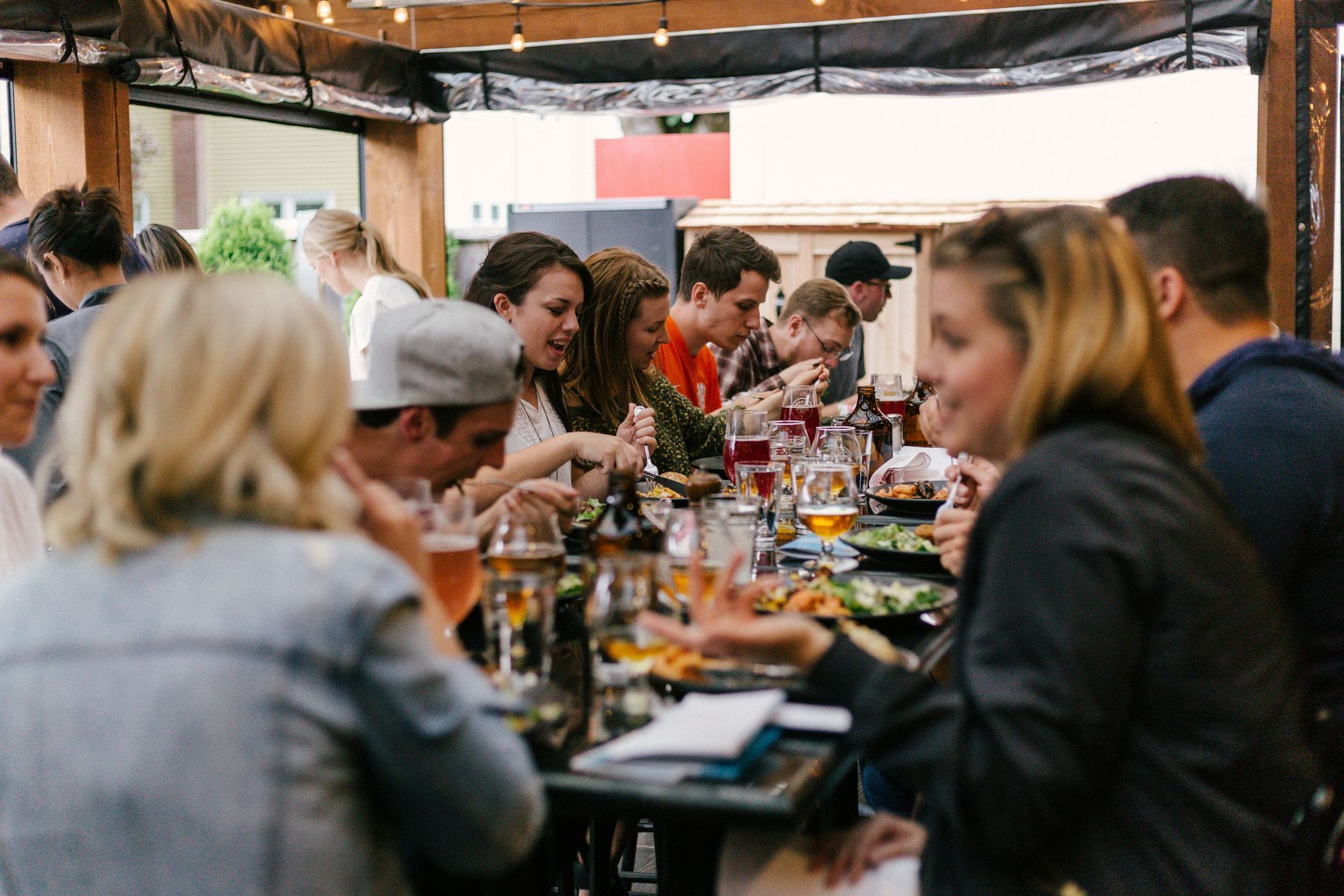
Something more relaxed than a resort restaurant. You might walk in and wonder whether to wait to be seated or go to the bar. You will probably hear mostly Spanish. The menu may be handwritten or verbal. The room may be bright, practical and noisy, with locals watching football or talking across tables at a volume that suggests nobody is trying to have a quiet lunch.
That is all normal. Service can be friendly but direct. Food can be excellent or plain or generous or different from what you expected. Each teleclub has its own personality and one visit does not define what the next one will be like.
¿Qué recomienda? means what do you recommend. It is a useful phrase in places where the best dish is not obvious from the menu and the person behind the bar will usually know exactly what to say.
How to Use Teleclubs on Your Trip
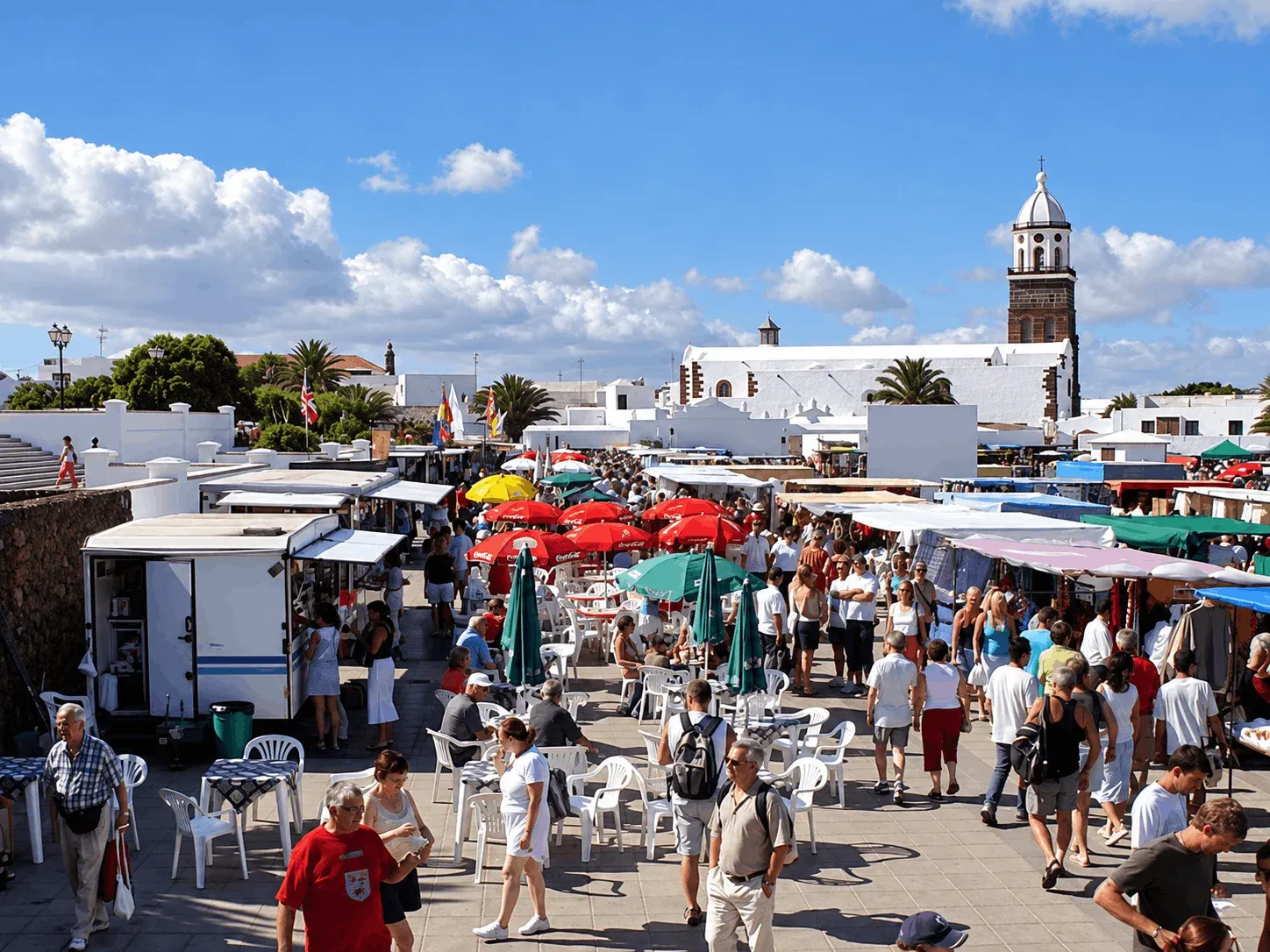
The best way to experience teleclubs is not to plan your whole holiday around one famous place. Use them naturally as part of a route. After visiting Teguise or inland villages. After a La Geria drive. On the way back from Haría, Tao, Mozaga or Mácher. When you want a non-touristy lunch and you happen to be in a village that has one.
Do not assume every teleclub is open when you arrive. Hours can vary and management can change. Check recent information before making a special trip.
Are Teleclubs Still Authentic?
Some feel very local. Some feel more restaurant-like. Many sit somewhere in between. That is not a failure. Lanzarote has changed, villages have changed and teleclubs have changed with them. The ones that still feel connected to local life carry it in the room. You notice it immediately and it is difficult to fake.
They are not frozen in the past. They are living places. That is exactly why they are worth finding.
Frequently Asked Questions
What is a teleclub in Lanzarote?
A village social centre that often also works today as a local bar, café or restaurant. Its roots are in shared television, community activities and village gatherings rather than commercial dining.
Why are they called teleclubs?
The name comes from television. Before TV was common in every home, people gathered in these shared spaces to watch it together. The community function stayed long after the television became less central.
Are teleclubs restaurants?
Some work very much like restaurants, others are more hybrid social spaces. Most serve food and drinks but their atmosphere comes from community roots rather than commercial design.
Can tourists eat in teleclubs?
Usually yes, especially if they come to eat respectfully and engage with the local atmosphere rather than expecting resort-style service.
What food do teleclubs serve?
It depends on the place. Canarian-style dishes are common: papas arrugadas, mojo, grilled cheese, stews, fish, grilled meats, croquettes, daily specials. Ask what is good that day rather than relying entirely on the written menu.
Are teleclubs cheap?
Often good value compared with tourist-front restaurants, but prices vary. Check the menu or ask before ordering if you are unsure.
Which teleclub should I visit?
It depends on your route. Visitors often hear about teleclubs in villages including Tao, Mozaga, Mácher, Tahiche, Haría and Punta Mujeres. Local recommendations from people who live on the island are more reliable than any fixed list.
Do I need to book?
For a casual lunch, usually not. For busy periods, groups or places that are well known locally, calling ahead is sensible.
To Wrap Up
Teleclubs are one of those Lanzarote details that explain the island better than a viewpoint sometimes can. They show how village life worked, how people gathered before every home had a screen, and how those spaces adapted rather than disappeared. The best ones still feel like something more than a place to eat.
Go for the food. But also go for the room, the noise, the regulars and the reminder that Lanzarote is not only beaches and volcanoes. It is villages, families, football on the TV and someone in the kitchen cooking whatever was good this morning.