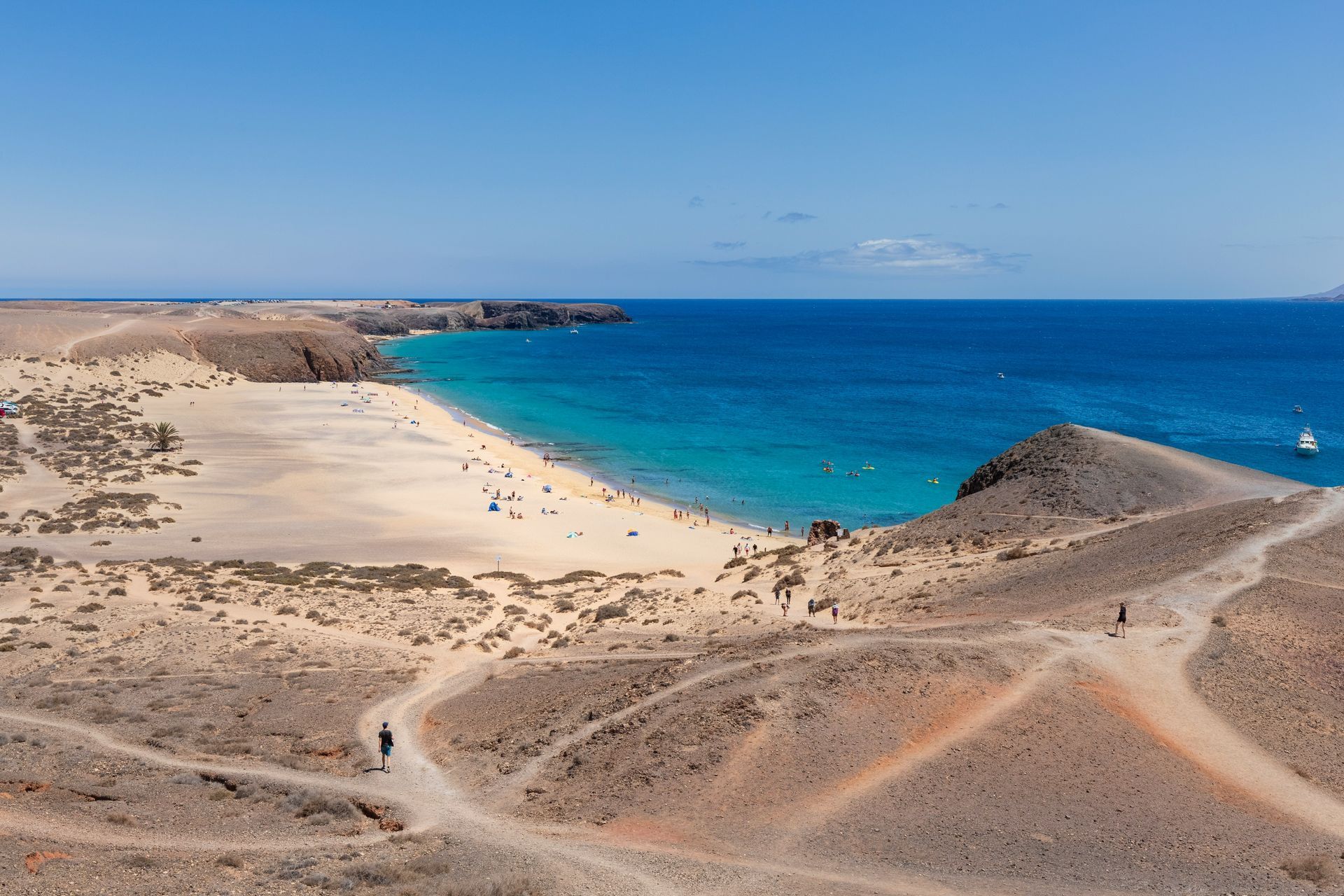
18.09
Explore Museo Lagomar: A Unique Blend of Art and Nature
Museo Lagomar in Lanzarote is an architectural marvel integrated into a volcanic quarry, designed by César Manrique.
Quick Answer
Start with papas arrugadas and mojo, sancocho, queso asado, gofio and fresh Atlantic fish. Then look beyond the obvious. Garbanzas, ropa vieja, caldo de millo, carne fiesta and traditional sweets like truchas de batata tell you considerably more about the island's everyday food culture than anything you will find on a resort menu.
Turismo Lanzarote describes the island's cuisine as ingredient-led, influenced by indigenous Canarian traditions alongside Spanish and South American cooking. The Cabildo-backed book Cocina Tradicional de Lanzarote, published in 2025, documents more than 160 traditional recipes from the island. That is a lot of food most visitors never try.
1. Papas Arrugadas con Mojo
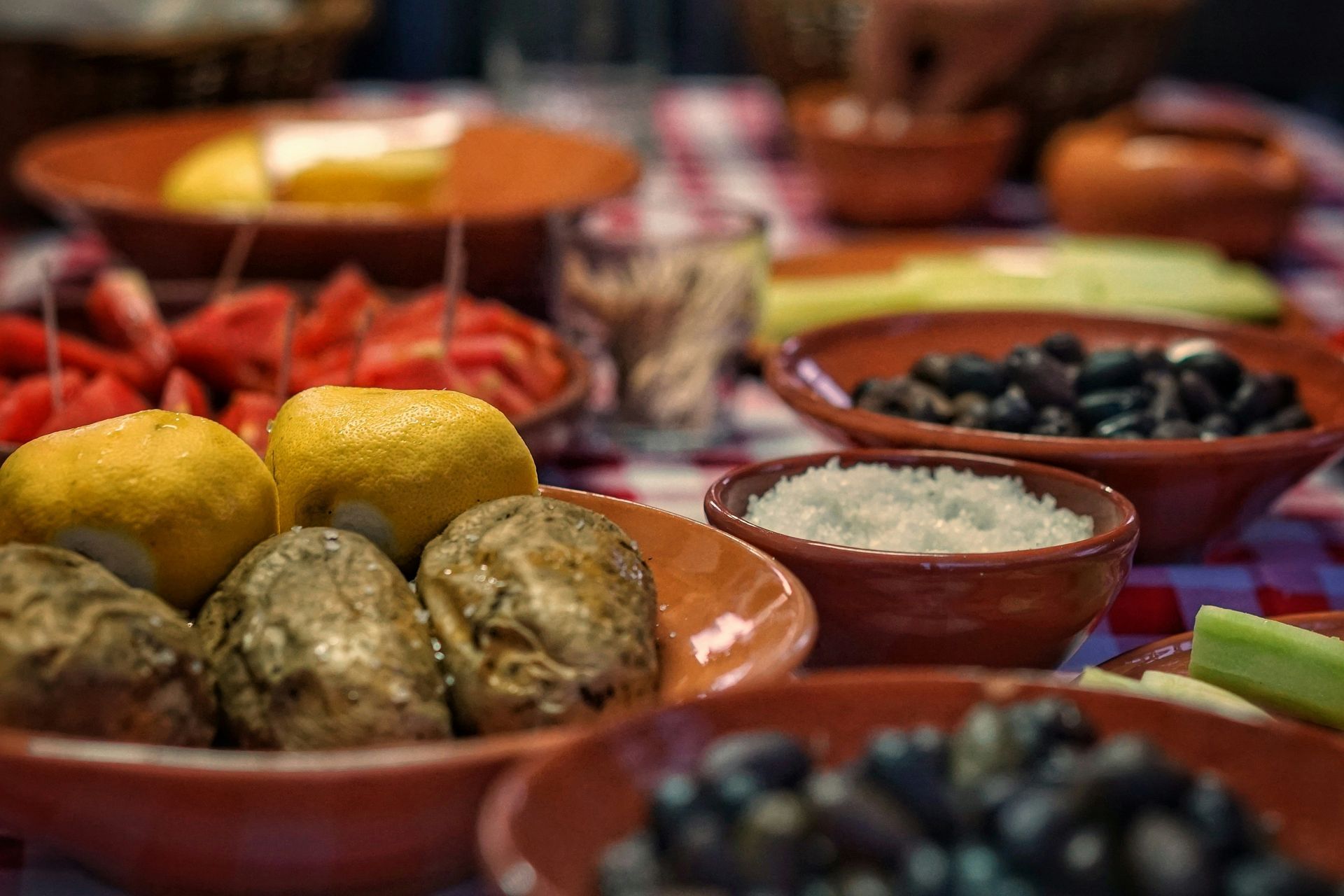
This is the obvious place to start and it is obvious for a reason. Small potatoes cooked in very salty water until their skins wrinkle and develop a crust. Served with mojo verde or mojo rojo. Turismo Lanzarote calls them the island's most popular dish and specifically recommends eating them with mojo.
Do not treat the sauce as optional. Papas and mojo belong together in the same way that going to Lanzarote and skipping the volcanic landscape belong together. Which is to say: technically possible, genuinely pointless.
2. Queso Asado con Mojo
Grilled cheese served warm with red or green mojo. Turismo Lanzarote includes it among the traditional dishes for experiencing Canarian food culture on the island. Lanzarote also has its own artisan goat cheeses so it is worth looking for those beyond this dish specifically. The cheese section of a local market or teleclub is usually a better guide than a resort restaurant menu.
3. Sancocho Canarias
One of the Canary Islands' classic fish dishes. Salt fish with potatoes, sweet potato and mojo, commonly accompanied by gofio prepared using the cooking liquid and mature white cheese. Particularly associated with Easter and special occasions. The official Saborea Lanzarote gastronomic guide describes it in full detail. It is the kind of dish that looks simple on paper and tastes considerably more complex in reality.
4. Gofio Escaldado
Gofio is toasted cereal flour and one of the oldest foundations of Canarian cooking. For gofio escaldado, the flour is combined with hot broth to create a thick savoury dish. Lanzarote tourism material specifically describes traditional escaldón prepared with toasted flour and fish broth.
Try it precisely because it is unlikely to resemble anything you normally eat at home. That is the point of trying local food.
5. Ropa Vieja
The literal translation is old clothes, which does not help. Traditional ropa vieja was a way of making another meal from leftovers. The Saborea Lanzarote gastronomic guide lists typical ingredients including chickpeas, meat, onion, peppers, paprika, wine and potatoes. Hearty and filling rather than restaurant theatre. Good for a slow afternoon.
6. Garbanzas
More than plain chickpeas. A chickpea stew with vegetables and pork that Turismo Lanzarote includes among the traditional Canarian foods eaten on the island. This is the sort of dish to look for when you want something closer to home-style cooking than anything on an international resort menu. A teleclub is usually the right place to find it.
7. Carne de Cabra Compuesta
Goat is one of the meats traditionally eaten in Lanzarote alongside pork, rabbit and chicken. Carne de cabra compuesta is prepared as a stew. Turismo Lanzarote specifically identifies traditional goat stew as part of island cooking and notes its association with fiestas and traditional restaurants. One of the better choices if you want to eat something that did not appear on the menu because tourists kept asking for it.
8. Caldo de Millo
Millo is the Canarian word for maize. Traditional caldo de millo is a comforting broth based around corn with pork in traditional versions. Turismo Lanzarote highlights it alongside the island's other traditional pulse and grain dishes. Particularly suited to cooler evenings, which in Lanzarote means anything below about 20 degrees.
9. Costillas con Piñas
No, Lanzarote has not started putting pineapple on pork ribs. Piña de millo means corn on the cob. Costillas con piñas combines pork ribs, corn on the cob and potatoes. Turismo Lanzarote includes it among traditional dishes associated with Canarian celebrations. The name is more confusing than the dish.
10. Fresh Local Fish
You do not need an elaborate recipe when the fish is good. Official Lanzarote tourism material highlights local and Canarian species including vieja, sama, cabrilla and cherne, with simple preparations such as fish cooked a la espalda: opened out and cooked flat. Rather than deciding on a species before you arrive, ask what fresh local fish is available that day. That question is always the right question.
11. Lapas con Mojo
Lapas are limpets collected from the rocky Atlantic coast. Turismo Lanzarote includes them among the local shellfish associated with island coastal cooking. When available they are usually served simply with mojo. Availability depends on the restaurant and the catch, so order them when you see them rather than expect them everywhere.
12. Carne Fiesta
A traditional pork dish strongly associated with celebrations and community food. Turismo Lanzarote specifically lists it among the foods served in Lanzarote's teleclubs and at local festivities. If you attend a village fiesta and see carne fiesta on offer, you are looking at food that genuinely belongs in that setting rather than food that was put there for the photographs.
13. Potaje de Lentejas de Lanzarote
Traditional Lanzarote cooking is also built around pulses. Turismo Lanzarote specifically refers to Lanzarote lentils and traditional lentil stews served in the island's teleclubs and local kitchens. A useful reminder that authentic island food is not exclusively grilled fish and papas arrugadas.
14. Truchas de Batata
The name is confusing because trucha normally means trout. Here, truchas are sweet filled pastries. Lanzarote tourism material links the island's locally grown sweet potatoes with truchas de batata, particularly as a traditional sweet associated with festive periods. If you see them, try them. They are worth it.
15. Roscos de Alma
For another traditional sweet, look for roscos de alma. Turismo Lanzarote specifically identifies them alongside panes de maní as traditional Lanzarote confectionery. They are far less internationally famous than papas arrugadas, which is exactly why they belong on this list.
Where to Find Traditional Food
If you want to go beyond resort restaurants, teleclubs are worth understanding. These village social centres are an important part of inland Lanzarote life. Turismo Lanzarote describes them as one of the island's authentic cultural expressions and specifically mentions food such as carne fiesta, chickpeas, octopus with mojo, tuna with onions and fish croquettes.
For seafood, coastal communities are the obvious place to look. Inland villages are generally better for stews, pulses and meat dishes. The difference between eating in a teleclub and eating in a resort restaurant is the same difference as the rest of Lanzarote versus the beach. Both exist. One of them is more interesting.
Ask what is traditional or local that day rather than just ordering the most familiar dish on the menu. Availability of fresh fish and home-style dishes changes. A short question in any language usually gets a useful answer.
And the Wine
Lanzarote's wines are an important part of the island's gastronomic identity, particularly wines produced from Malvasía Volcánica grapes grown in the volcanic agricultural landscape of La Geria. If you have time, combine traditional food with a drive through La Geria and a bodega visit. The food and the landscape explain each other in a way that makes both more interesting.
Frequently Asked Questions What is the most famous food in Lanzarote?
Papas arrugadas with mojo. Turismo Lanzarote describes them as the island's most popular dish. Try them early so you have time to also try everything else.
What is gofio?
Toasted cereal flour with deep roots in Canarian food culture. It can be eaten in several ways, including mixed with broth as gofio escaldado. It tastes better than it sounds.
Is Lanzarote food spicy?
Most traditional dishes are not particularly hot. Mojo picón can have some heat, mojo verde is generally herb-based. Both vary by who made them.
What fish should I try in Lanzarote?
Ask for the fresh local catch. Official Lanzarote tourism material highlights vieja, sama, cabrilla and cherne. The best answer to this question changes with the day's catch.
Are all these dishes unique to Lanzarote?
No. Several are Canarian dishes eaten across the archipelago. What makes Lanzarote food distinctive is the combination of those traditions with local fish, cheeses, pulses, sweet potatoes, wines and a volcanic agricultural landscape that shapes what gets grown and what ends up on the plate.
Where can I find more traditional Lanzarote food?
Teleclubs, traditional restaurants, village fiestas and coastal restaurants serving local fish. None of those are in the same place as the hotel buffet.
To Wrap Up
Papas arrugadas deserve their reputation. They are only the beginning. Traditional Lanzarote food tells the story of an island where people learned to work with scarce rain, volcanic soil, livestock and the Atlantic. The existence of more than 160 recipes documented in Cocina Tradicional de Lanzarote shows how much of that story sits beyond the dishes most visitors recognise.
Order the papas. Try the mojo. But also look for the stew you have never heard of, ask what fish came in today and find somewhere outside the resort. That is where Lanzarote starts tasting like Lanzarote.


 Keep exploring
Take your next discovery beyond the article. Find GPS audio routes, local events and places worth a stop — all in the Vidodo Guide app.
Explore in Vidodo Guide