The Short Version
If you want to know what to eat in Lanzarote, start here: goat cheese, papas arrugadas, mojo sauce, La Geria wine, gofio and fresh fish. If you want something to take home, look for mojo jars, Janubio sea salt, Lanzarote wine, gofio and local jams. Everything else on this list is either an explanation of those things or a reason to eat more of them.
Lanzarote food is connected to the island in a very specific way. The dry land, the wind, the goats, the sea and the volcanic soil all turn up somewhere on the plate. That is what makes it good.
The Thing About Lanzarote Food
Lanzarote does not look like somewhere food should thrive. It is dry, windy and volcanic, with very little rain and a landscape that often looks more lunar than agricultural. But that is exactly why the food is interesting.
Vines grow in volcanic soil. Goats handle the dry climate without complaint. Salt comes from the coast. Fish comes straight from the Atlantic. Sauces are built to lift simple ingredients rather than hide them. None of it is complicated and none of it needs to be.
Do not judge Lanzarote food by how fancy it looks. The best plates are often the plainest ones and the most memorable meal you have here will probably not be the most expensive.
Lanzarote Goat Cheese
If there is one local product to take seriously in Lanzarote, it is goat cheese. Goats have always made sense here because they cope with the dry climate and the rocky terrain without requiring much from the land. Their milk is used to make cheeses that range from soft and mild to firm, cured and genuinely full of flavour.
You might see fresh cheese, semi-cured, smoked, or cheese coated in paprika or gofio. Some are gentle and creamy. Others are saltier and stronger and work beautifully next to a glass of local wine. Try it as a starter, with bread, with local jam, or alongside a wine tasting in La Geria.
If you are flying home with food, check your country's current import rules before packing cheese or dairy. Fresh cheese is usually better enjoyed while you are still on the island anyway.
La Geria Wine
You cannot really talk about local food in Lanzarote without talking about La Geria wine. La Geria is the island's most famous wine landscape, where vines grow in individual hollows dug into dark volcanic soil, protected by low curved stone walls from the wind. It looks extraordinary but it is also completely practical. The land is not easy and the farming never pretended otherwise.
Lanzarote is known for volcanic wines, particularly its whites. They tend to be fresh, mineral and very drinkable, especially alongside goat cheese, grilled fish or papas arrugadas. A bodega stop in La Geria is one of the easiest things to add to any day on the island. You do not need to know anything about wine to enjoy it. Go for the landscape, taste a glass, and notice how much the soil explains the flavour.
Papas Arrugadas and Mojo Sauce
This is the combination most visitors remember. Papas arrugadas are small potatoes boiled in very salty water until the skins wrinkle and the outside turns slightly crusty. They arrive hot, slightly salty and ready for sauce.
Mojo is where it gets more interesting. Mojo rojo is the red one, usually warmer and richer with a slight smokiness. Mojo verde is green, fresher and more herby. Every restaurant makes both slightly differently, which is worth paying attention to. The same dish can taste noticeably different depending on who made the mojo.
Mojo is also one of the best food souvenirs from Lanzarote because jars pack easily and actually get used at home. Buy one red and one green and you will understand why when you open them in your own kitchen on a Tuesday evening wishing you were still here.
Try both mojos before choosing a favourite. The difference between a good mojo verde and a great one is significant and you will miss it if you only ever try one.
Gofio
Gofio is one of the most traditional Canarian foods and also one of the easiest to walk past without noticing. It is a toasted grain flour, usually maize or wheat, and it turns up in desserts, breakfast dishes, stews and more rustic local recipes.
The flavour is nutty and earthy. It is not something you eat plain and immediately love. Start with a gofio mousse, gofio ice cream or something sweet where the flavour is softened into something more approachable. Buying a bag to take home is worth it only if you actually cook and want to experiment. Otherwise just try it in a good dish and let that be enough.
Fresh Fish and Seafood
Lanzarote is an island surrounded by Atlantic water and that should mean something on your plate. The best fish here is usually simple: grilled, fried or served with potatoes and salad. Local species you might see on menus include cherne, vieja and other Atlantic fish depending on the catch and the restaurant.
Good areas to look include Playa Quemada, El Golfo, Arrieta, Órzola, La Santa and parts of Arrecife. Quality always depends more on the specific restaurant than the village, so use your eyes. A shorter menu, fish written on a board and plates that look like food rather than architecture are usually good signs.
Janubio Sea Salt and Other Local Products
Janubio sea salt is one of the most sensible things to put in your suitcase. It is not a dish but it is a genuine local product: practical, light to carry and connected to one of the most visually striking working landscapes on the island. Use it at home on tomatoes, grilled fish, potatoes or anything simple where good salt matters.
Beyond salt, look for mojo jars, local jams, cactus products, gofio, honey products and local wine. Aloe vera skincare is also widely available and genuinely connected to the island's climate. Check labels before buying though. Not everything in a souvenir shop is actually made on Lanzarote and the difference is worth knowing.
Where to Find Good Local Food
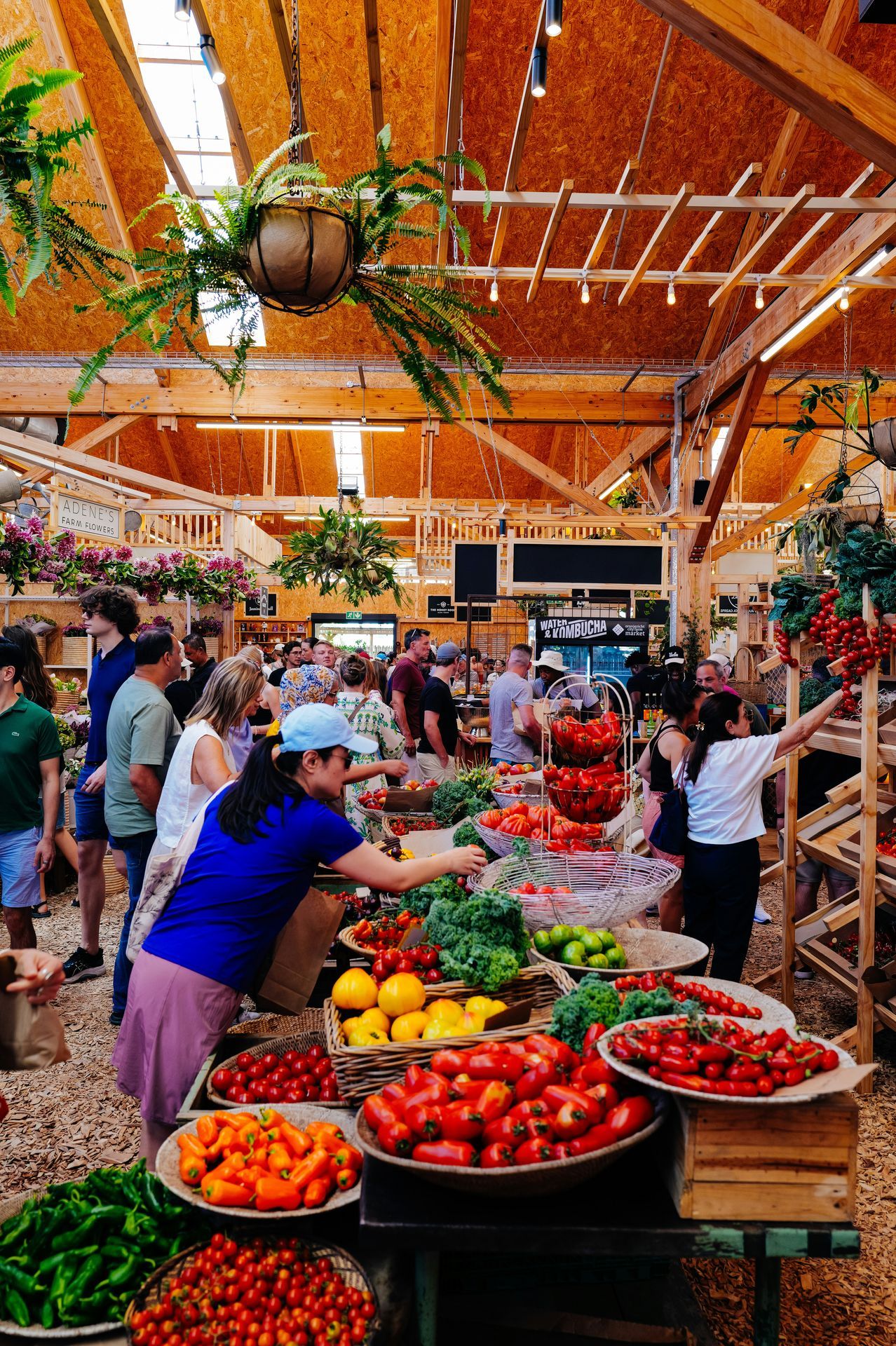
For local products, markets are the best starting point. Teguise Market is the largest and most famous. Smaller agricultural markets can be better for cheese, fresh produce and food stalls that are genuinely local rather than tourist-facing. Market days and times vary so check current details before making a trip for a specific one.
For wine, go to La Geria. Even one short bodega visit gives you a far better understanding of Lanzarote wine than anything you could read about it. For fish, choose coastal villages and harbour restaurants. For cheese, mojo and salt, markets and local food shops are the right places to look. If a food fair is happening during your visit, go. They are usually the most concentrated version of everything on this list in one place.
Frequently Asked Questions
What is the most famous local food in Lanzarote?
Papas arrugadas with mojo sauce is the dish most associated with the island. Goat cheese, fresh fish, gofio and La Geria wine are all things you should try before you leave.
Is Lanzarote goat cheese worth trying?
Yes. It is one of the island's best local products and one of the things that tastes most specifically like Lanzarote. Try fresh if you prefer something mild, cured if you want more character.
What wine is Lanzarote known for?
Volcanic wines from La Geria, particularly whites. They are fresh, mineral and taste like the landscape they came from, which sounds like a cliche until you try one at a bodega with the vineyard in front of you.
What is mojo sauce?
A Canarian sauce served with potatoes, fish, meat, cheese and bread. Mojo rojo is red and usually richer or slightly smoky. Mojo verde is green and herby. You need both. Not negotiable.
What are the best food souvenirs from Lanzarote?
La Geria wine, mojo sauce, Janubio sea salt, gofio and local jams all travel well and get used when you get home. Aloe vera products are popular too if skincare is more useful to you than condiments.
Where should I try local food in Lanzarote?
For cheese and local products, markets are the right place to start. For wine, you really do need to go to La Geria rather than just read about it. For fish, find a coastal village restaurant with a short menu and something written on a board. For papas arrugadas and mojo, most traditional restaurants on the island will do a decent version. And if a food fair is on during your visit, just go.
To Wrap Up
Local food in Lanzarote is not about showing off. It is about flavour, landscape and tradition, which tends to produce very good meals when you follow it rather than fight it.
Try the goat cheese. Order papas arrugadas with both mojos. Drink a glass of La Geria wine at a bodega with the vineyard actually in front of you. Taste gofio at least once. Buy Janubio sea salt if you want something useful to put in your bag. Choose fresh fish when you are near the coast. None of it requires much planning. It just requires paying attention to what the island is actually offering.