Quick Answer
Lanzarote looks so different because the island was shaped by major volcanic eruptions, adaptation to dry and windy conditions, Atlantic maritime history, and a strong tradition of building with the landscape rather than against it. The eruptions of 1730 to 1736 transformed much of the island and still explain many of the places visitors find most striking today.
But honestly, that sentence does not do it justice. The full story is much more interesting.
Something Happens When You Land Here
Most people arrive in Lanzarote expecting a nice holiday island. Sun, beaches, a cocktail by a pool. And yes, all of that is here. But then you look out of the taxi window and something stops you.
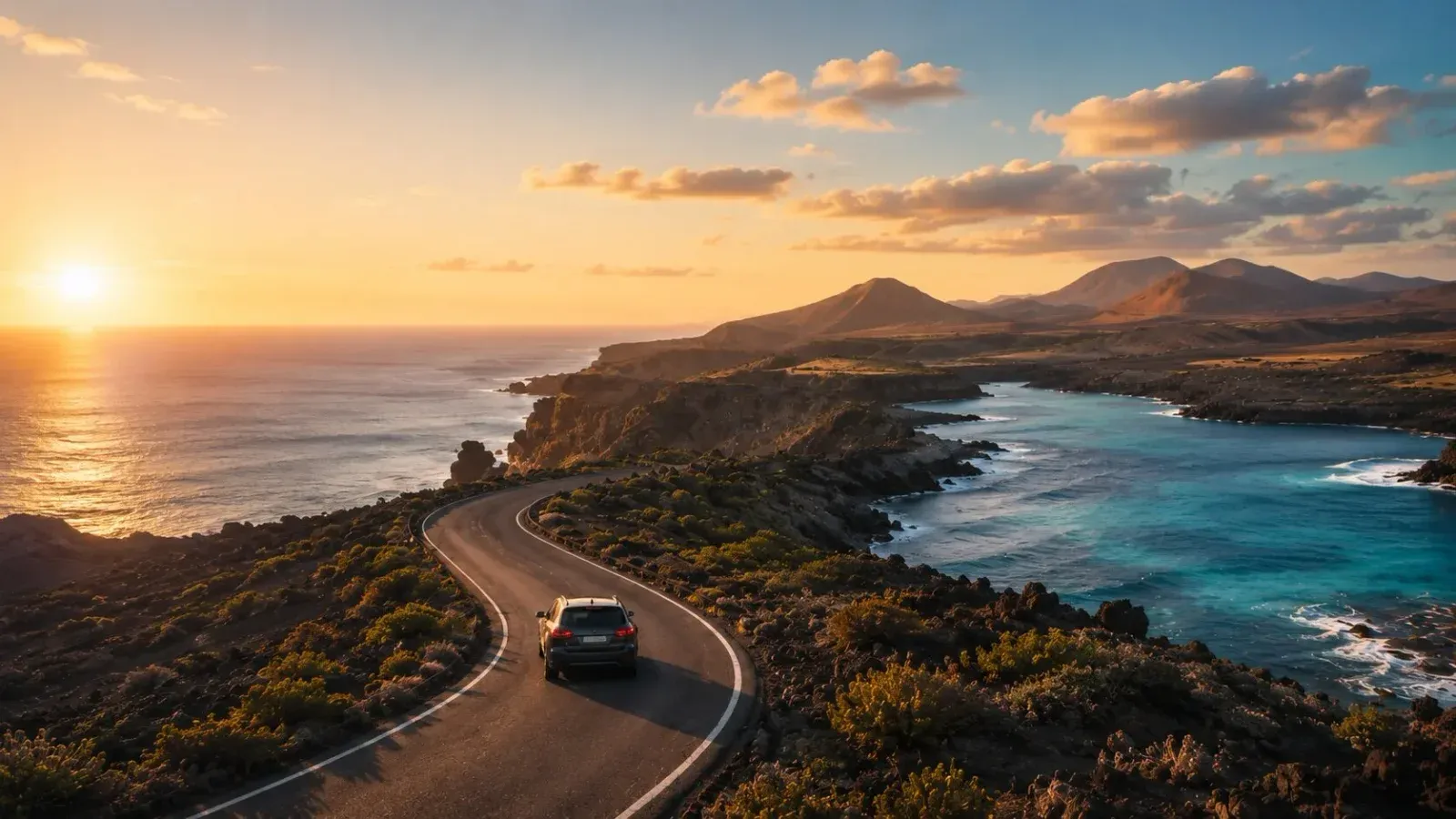
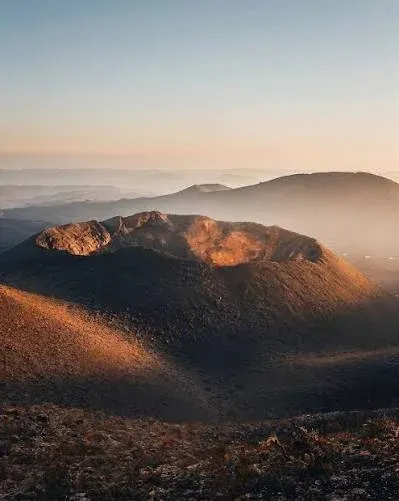
The ground is black. The hills are shaped like something that was angry a few hundred years ago and then went quiet. There are no tall buildings. The villages are white and low and somehow feel like they were placed there very deliberately. And the vineyards, if you happen to drive through La Geria, look like nothing you have seen before.
Lanzarote looks so different because it is different. And it is different for reasons you can actually trace.
It Starts With Volcanoes. Obviously.
To understand Lanzarote, you have to start with volcanoes, which I realise is not a groundbreaking observation given that you can see them from the airport. But the important part is not just that there are volcanoes. It is when they erupted and what happened after.
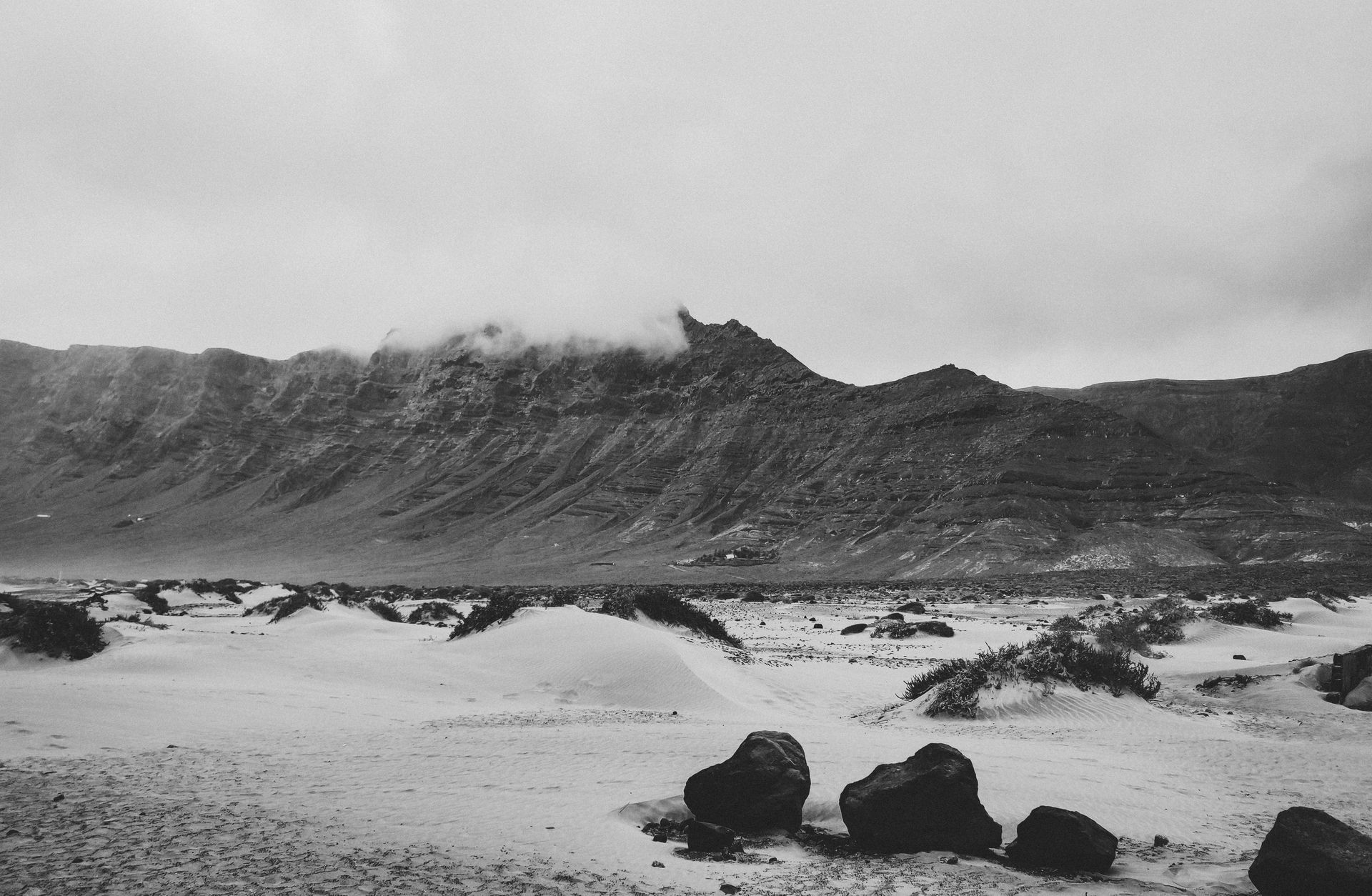
The eruptions of 1730 to 1736 were the first recorded eruptions on the island and they gave rise to its current appearance. That is not a small detail. That is the whole explanation. For six years, between 1730 and 1736, Lanzarote went through a volcanic period that changed much of the island surface. Large areas were covered in lava and ash. Fertile land was lost. The people who lived here had to figure out how to survive on an island that had, in many ways, just become unrecognisable to them.
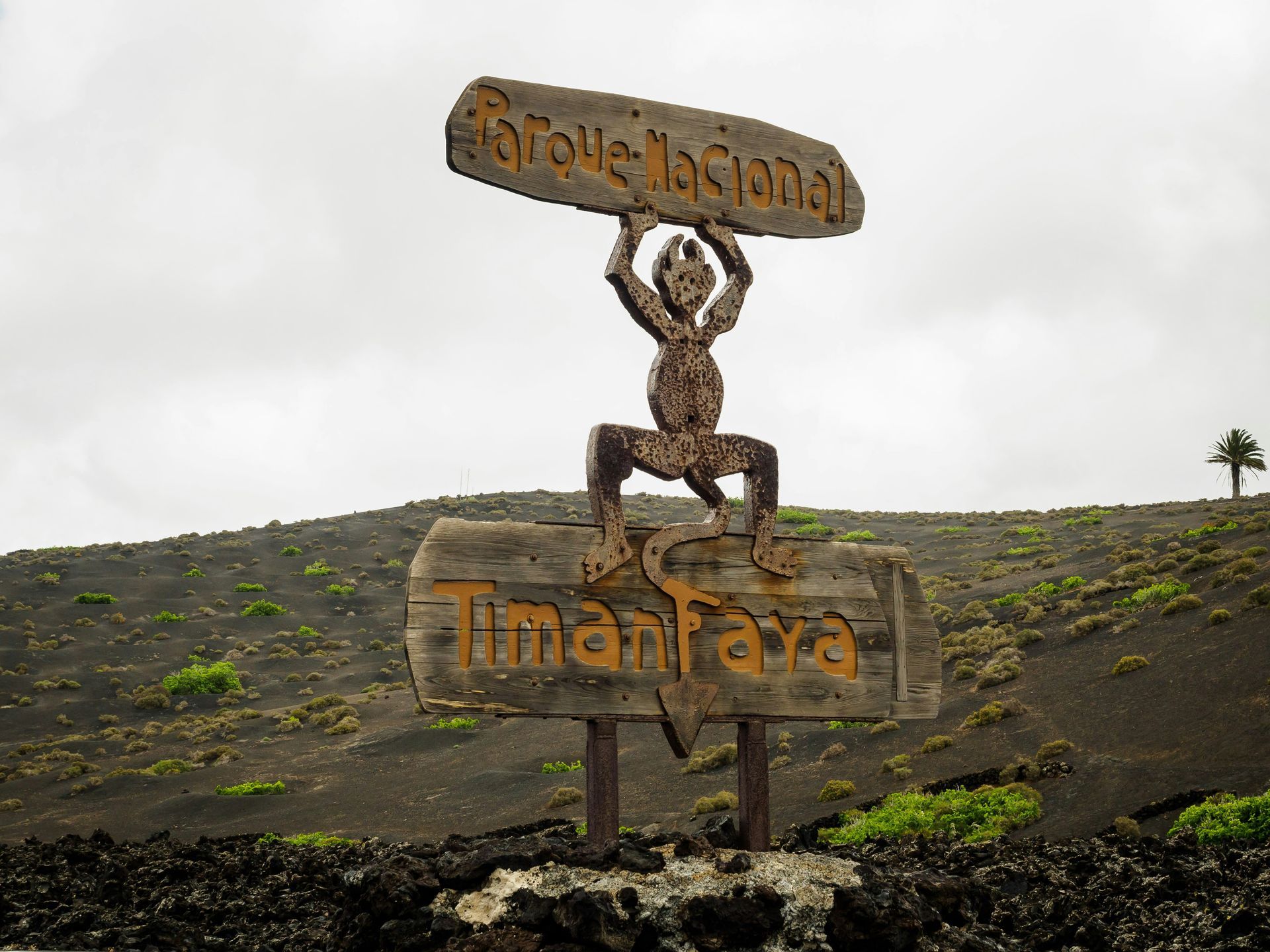
The black lava fields you drive through on the way to Timanfaya? Those eruptions. The volcanic cones you see on the horizon? Those eruptions. The reason the island feels so elemental and raw in a way that other islands do not? Those eruptions.
If you want to understand Lanzarote rather than just photograph it, visit Timanfaya and La Geria as part of the same day. One shows the volcanic force that changed the island, and the other shows how people adapted afterwards. It is one of those combinations that suddenly makes everything click.
But Then Something Remarkable Happened
Here is the part of the story that I think people miss when they visit.
After the eruptions of 1730 to 1736, the people of Lanzarote did not leave. They stayed and they figured it out. They adapted to more difficult living conditions, to volcanic ground, to very little rain, to the relentless Atlantic wind. And in doing so, they ended up creating something completely unique.
La Geria is the best example. It is a wine-growing landscape where grapes are grown in volcanic ash. If you have never seen it, it looks almost impossible. Individual vines planted in hollows scooped out of black volcanic ground, each one protected from the wind by a curved stone wall. It is one of the most distinctive agricultural landscapes in the world, and it exists entirely because of adaptation to the aftermath of those eruptions.
La Geria is more than a pretty stop for wine tasting. It is one of the best places to see how Lanzarote history shaped the island people experience today. And the Malvasia wine is very good, which is a bonus.
A Dry, Windy Island That Learned to Work With What It Had
One of the things that strikes people about Lanzarote is how the architecture feels so connected to the landscape. The buildings are low, white, simple. They do not fight with the setting. They belong to it.
That is not a coincidence and it is not only an aesthetic choice. The island environment is dry, windy and shaped by conditions that required practical solutions. After the eruptions of 1730 to 1736, survival on Lanzarote depended on understanding the land rather than imposing on it. That thinking became part of how the island built and farmed and lived, and it is still visible everywhere you look today.
Which is why Lanzarote often feels simple and elemental in a way that some other places try to be and just are not. The character here came from necessity. It just happens to be beautiful too.
Pirates, Forts and the Part Most Tourists Skip
Volcanoes get most of the attention, which is fair, but Lanzarote has a whole other layer of history that is equally worth knowing about.
The island sits in the Atlantic in a position that made it relevant to anyone moving between Europe, Africa and the Americas for several centuries. Pirates, traders and privateers all passed through these waters, and Lanzarote was raided enough times that the island built forts and developed its defences seriously. That history is still visible in the fortifications that dot the coastline.
And then there is Teguise, which is closely linked to Lanzarote defensive and pirate history and remains one of the best places to explore that side of the island past. When you walk through Teguise today you are not only seeing a charming old town. You are seeing part of the island political and defensive history, the place that was significant enough to be worth protecting and attacking. That adds a lot to a Sunday morning wander around the market.
And Then There Is Cesar Manrique
To understand why Lanzarote still feels visually coherent today, you also have to understand Cesar Manrique.
His home in Tahiche stands on a lava flow created by the eruptions of 1730 to 1736. The upper part of the building draws inspiration from Lanzarote traditional architecture, and the house as a whole maintains a close dialogue with its natural surroundings. That sentence sounds formal but what it means in practice is that Manrique lived inside a volcano and made it look incredible, which is both a practical achievement and an artistic one.
Manrique did not invent the island traditional architecture. What he did was help protect and reinforce a way of building that respected the landscape and worked with it. This is a big part of why Lanzarote still feels so distinct today. The Fundacion Cesar Manrique, Jameos del Agua and the other Manrique-linked sites matter not only because they are beautiful to visit, but because they help explain the relationship between Lanzarote natural environment and its modern identity.
Even if you are not especially interested in art or architecture, the Fundacion Cesar Manrique is one of the best places to understand why Lanzarote feels different from so many other holiday destinations. Go, wander slowly, and let it explain the island to you.
Why Tourists Find Lanzarote So Memorable
Lanzarote stays with people because the island look has a clear story behind it.
Timanfaya makes more sense when you know the eruptions transformed much of the island. La Geria becomes more impressive when you realise it reflects how people adapted to volcanic ground. Teguise feels richer when you understand its connection to the island defensive past. And Cesar Manrique work becomes more meaningful when you see it as part of a wider effort to respect Lanzarote landscape rather than overwhelm it.
That is what makes the island so interesting to explore. It is not just beautiful in a general holiday sense. It is beautiful in a way that is tied to real history. And once you know that history, you see Lanzarote completely differently.
Frequently Asked Questions
Q: Why does Lanzarote look so volcanic? A: Because major eruptions, especially those of 1730 to 1736, transformed much of the island and helped create the appearance visitors associate with Lanzarote today. The lava fields, the volcanic cones, the dramatic terrain — all of it traces back to that period.
Q: Did the eruptions create Lanzarote? A: No. Lanzarote already existed. The eruptions of 1730 to 1736 reshaped much of the island rather than creating it from scratch. Which is actually more interesting — an island that existed and then had to reinvent itself.
Q: Why is La Geria so unusual? A: Because it is a wine-growing area shaped by volcanic terrain, where grapes are grown in volcanic ash using a method developed specifically in response to Lanzarote eruptions and climate. It looks like nowhere else because it grew out of conditions that exist nowhere else.
Q: Was Lanzarote affected by pirates? A: Yes. Lanzarote history includes centuries of raids, trading routes and privateers passing through Atlantic waters. The forts and defensive sites still standing on the island, and the significance of Teguise, all connect back to that maritime history.
Q: What did Cesar Manrique do for Lanzarote? A: He helped reinforce a built identity that respected Lanzarote traditional architecture and natural landscape. His work is part of why the island still feels visually coherent today rather than having been built over like so many other popular destinations.
Q: Why do so many visitors find Lanzarote interesting? A: Because its volcanoes, vineyards, towns and architecture all connect back to a visible and well-preserved history. Once you know the story behind the landscape, the whole island becomes considerably more interesting than it already was.
To Wrap Up
Lanzarote is fascinating because the island tells one connected story. The eruptions of 1730 to 1736 transformed much of the land. The people adapted. The towns and forts reflect the island Atlantic history. And later, figures such as Cesar Manrique helped protect an identity that still feels clear across the island today.
That is why Lanzarote is not only beautiful. It is also deeply interesting. And that combination, if you ask me, is what makes it worth coming back to.